How to Run in the Cold: Tips to Stay Warm, Safe, and Motivated

Are you finding it hard to make yourself run on cold days?
I remember running in freezing temperatures for two weeks straight during my first semester in upstate New York. Every single time before stepping out of the house, I came up with at least 20 excuses to stay inside. Trust me, any one of those excuses could have easily sent me diving back under my warm blanket.
But here’s the thing – once you build consistency, running in the cold doesn’t feel as bad. It’s like taking a cold shower in winter: tough at first, but not so bad once you get past the initial shock.
In this guide, we’ll go through practical tips and tricks to keep you motivated so that even the coldest weather won’t hold you back. With the right gear, techniques, and mindset shifts, you can enjoy your runs, no matter how low the temperature drops.
If you’re starting out, check out these tips for beginner runners to build a solid foundation before tackling the cold.
🔑 Key Takeaways
- Cold-weather running builds mental toughness, burns more calories, and strengthens your immune system.
Research shows cold exposure can activate brown fat and increase energy expenditure in adults. - Dressing in layers, warming up properly, and adjusting your pace are crucial for staying safe in freezing temps.
- Know your personal temperature limits — use a temperature guide to decide when to head out or stay indoors.
How Cold is Too Cold for Running?
Cold is personal — what feels manageable to one runner might feel miserable to another. Some people are totally fine running in 10°F weather, while others feel like they’re gasping for air before they even hit the sidewalk. It depends on your experience, your lungs, and your tolerance for discomfort.
For me, I won’t run outside if it drops below 35°F. That’s my cut-off. Anything colder feels like I’m breathing through broken glass, especially when it dips into the single digits. But if you’re a newer runner who still wants to stay outside instead of hopping on the treadmill, here’s a general guide to help you decide what’s safe and what’s pushing it.
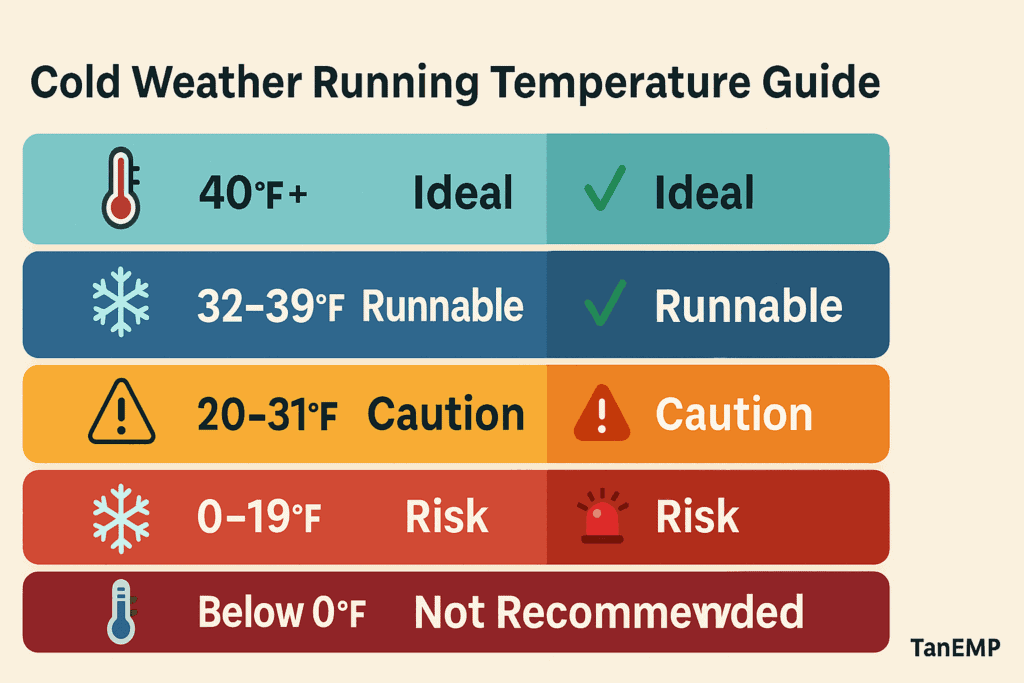
Cold Weather Running Temperature Guide
Temperature Range | Running Safety | Notes |
|---|---|---|
40°F+ (4°C+) | ✅ Ideal conditions | Comfortable for most runners. Light layers are usually enough. |
32°F – 39°F (0°C – 4°C) | ✅ Still runnable | Wear gloves, a hat, and long sleeves. Warm up thoroughly. |
20°F – 31°F (-6°C – -1°C) | ⚠️ Use caution | Breathing may feel sharp. Use layers, protect extremities. |
0°F – 19°F (-18°C – -7°C) | 🚨 Risk zone | Limit time outdoors. Consider shorter runs or a treadmill. |
Below 0°F (-18°C) | ❌ Not recommended | High risk of frostbite. Opt for indoor workouts instead. |
These are general guidelines — your tolerance might fall higher or lower depending on your fitness level and experience. Always listen to your body and adjust as needed.
Signs It’s Probably Too Cold to Run Outside
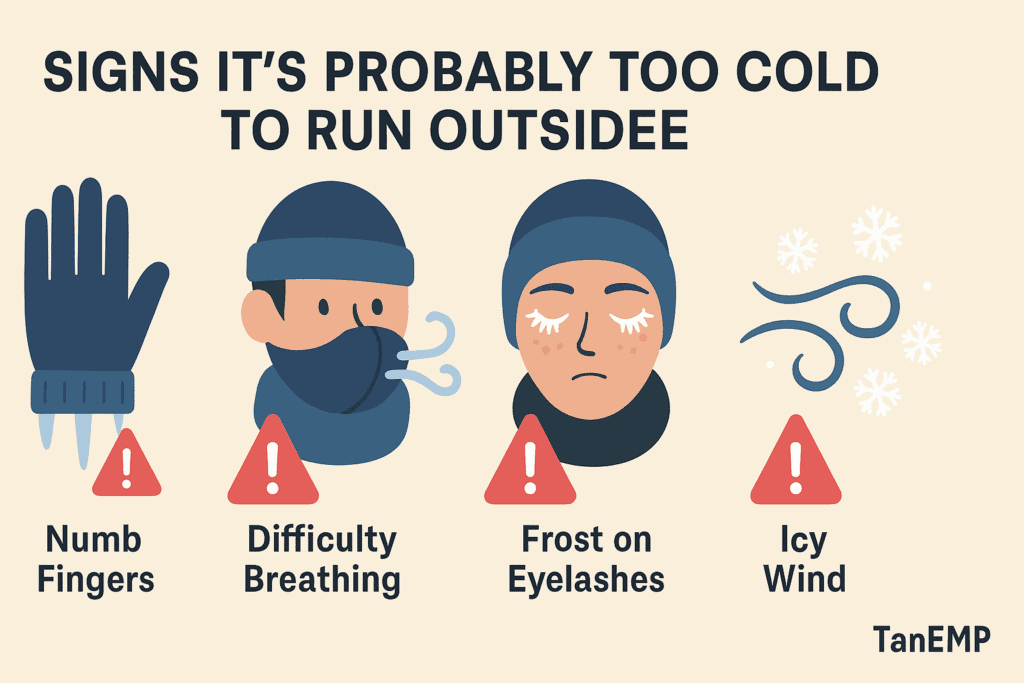
- Your fingers or toes go numb within minutes
- Breathing feels painful, even at a slow pace
- Frost starts forming on your eyelashes or eyebrows
- Wind is strong enough to create icy patches everywhere
If conditions are brutal, no shame in staying inside. Your body doesn’t care where you run — it just cares that you move.
Benefits of Running in Cold Weather
Why even bother running when it’s freezing?
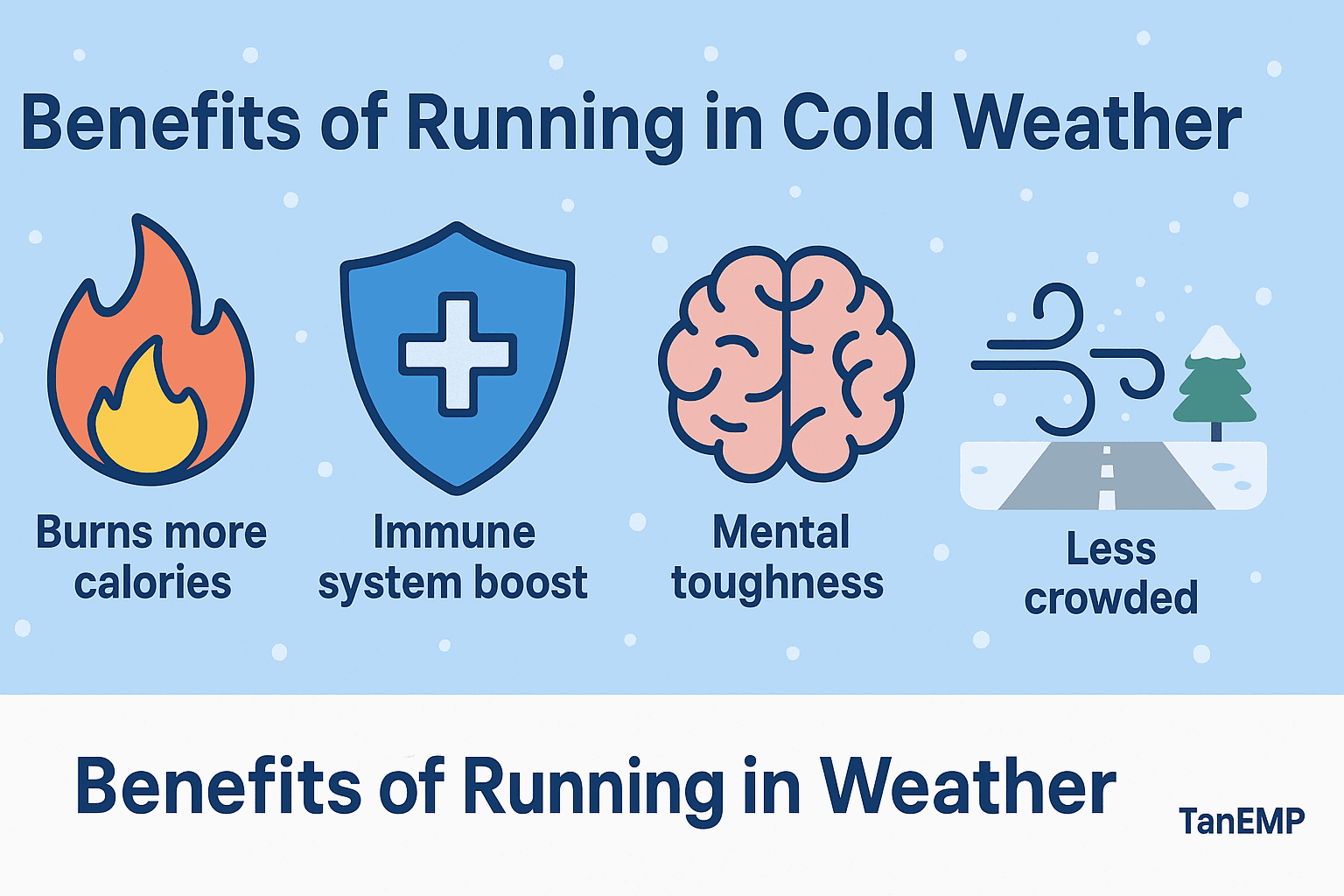
Turns out, cold-weather running comes with a few surprising benefits:
- Burns more calories. Your body works harder to stay warm, boosting calorie burn.
- Strengthens your immune system. Cold-weather
- Running can help build resilience against winter bugs.
- Builds mental toughness. Getting out there despite the chill strengthens discipline for all aspects of life.
- It’s less crowded. Most people stay indoors, so if you hate weaving through crowds, winter running gives you the peace and space to enjoy the road.
I used to run in shorts during chiropractic school in Seneca Falls — upstate winters hit different. After a couple of weeks, the cold didn’t even bother me as much.
But when I moved back to NYC, I couldn’t handle shorts in the winter anymore. That experience reminded me: our bodies adapt quicker than we think, as long as we stay consistent.
Bonus: Does cold running burn fat faster?
Running in the cold activates brown fat, which helps your body burn more calories to maintain heat. This doesn’t mean weight loss is guaranteed, but it does give your metabolism a slight boost compared to hot-weather runs.
If you’re new to running and wondering how to build up gradually, here’s a guide on how to start running to keep you progressing safely.
Warm Up Properly Before Cold Weather Running
Don’t skip your warm-up just because you’re rushing out the door.
Cold temperatures stiffen muscles and joints, increasing injury risk. A good dynamic warm-up raises your core body temperature, gets blood flowing, and preps your body for the chilly outdoors.
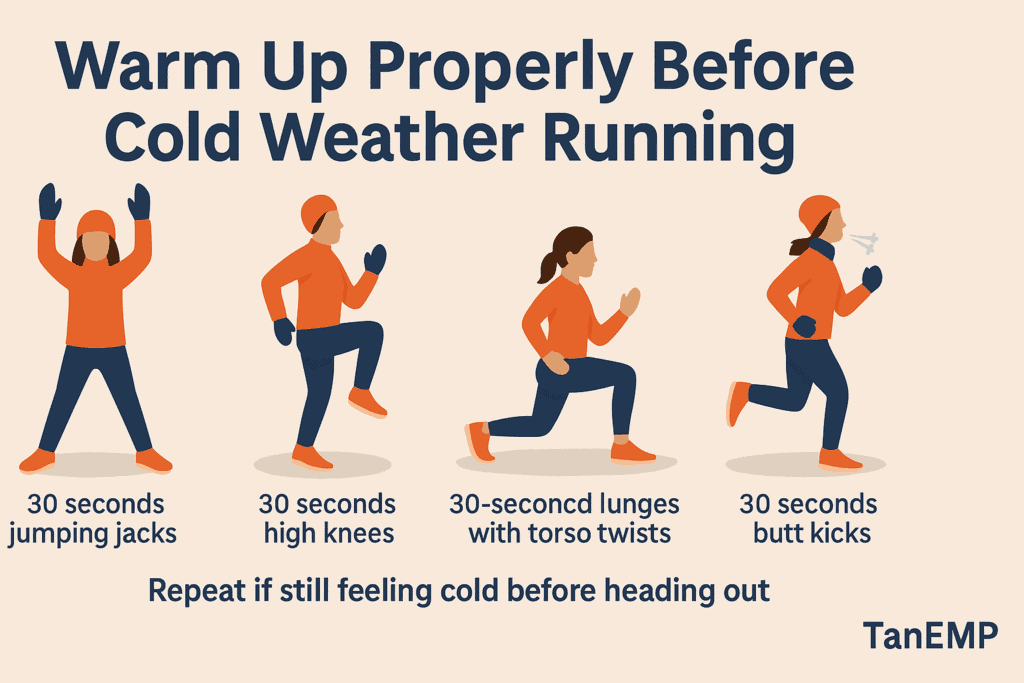
Try this quick pre-run warm-up:
- 30 seconds of jumping jacks
- 30 seconds of high knees
- 30-second lunges with torso twists
- 30 seconds butt kicks
- Repeat if still feeling cold before heading out
Do these indoors before heading out so you start your run already feeling warm. For a simple, effective routine, check out this 5-minute warm-up for runners. If you’re unsure when to use static vs dynamic stretches, learn the difference here.
Dress in Layers: Cold Weather Running Gear Essentials
Dressing right is half the battle when it comes to running in the cold. The right layers help regulate your body heat, keep your core warm, and protect you from winter weather.
Layering Breakdown:
- Base layer: Moisture-wicking fabric (not cotton) to keep sweat off your skin
- Mid layer: Insulating layer like fleece or merino wool to trap warmth
- Outer layer: Wind- and water-resistant shell to block cold air and snow
Don’t forget the extras:
- Warm hat or headband to prevent heat loss through your head
- Gloves or mittens to keep hands warm and functional
- Running tights under shorts or thermal leggings
- A face mask or buff to reduce cold air exposure to your lungs
- Gore-Tex running shoes for waterproof protection
- Ice spikes or traction cleats for grip on icy sidewalks
- Reflective gear for low-light winter months
- Lip balm for cold, dry air to prevent cracked lips
Cold-Weather Running Tip:
Avoid cotton layers — they trap moisture and can make you colder. Opt for breathable performance fabrics that dry quickly and retain warmth even when damp.
Want to learn more about gear for every season? Keep an eye out for my upcoming guide on how to dress for running year-round.
Breathing Tips for Running in Cold Air
Cold air can irritate your airways, especially during winter jogging, making each breath feel sharp or even painful. It’s one of the most common challenges for runners when temperatures drop.
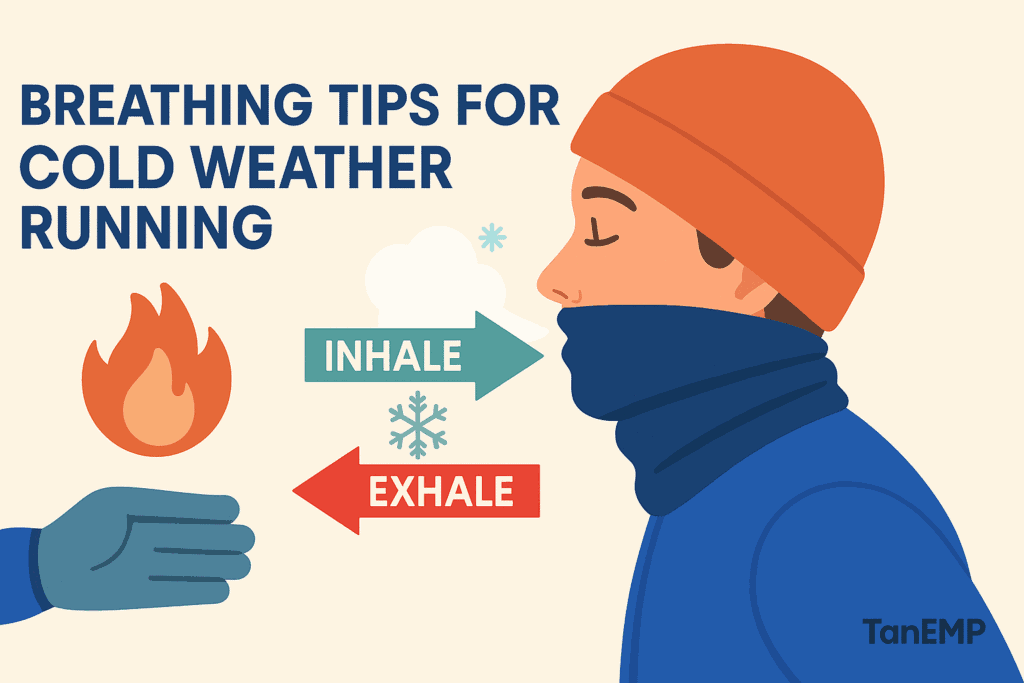
Here’s how to breathe safely:
- Inhale through your nose to warm and humidify the air before it reaches your lungs
- Exhale through your mouth slowly to reduce throat irritation
- Use a buff or face mask to trap warm air and reduce breathing difficulties
Bonus breathing tip:
If you have asthma or sensitive lungs, check the outside temperature and air quality before running. Cold, dry air can be a trigger, so it’s best to ease into winter jogging with shorter runs while your body adjusts.
Breathing efficiently in any condition makes a big difference in your runs. Learn more breathing techniques for running here.
Adjust Your Running Form and Pace
Running in the cold isn’t the time to chase PRs. Winter conditions like icy sidewalks, snow, and cold air make it more important to focus on safety and consistency than speed.
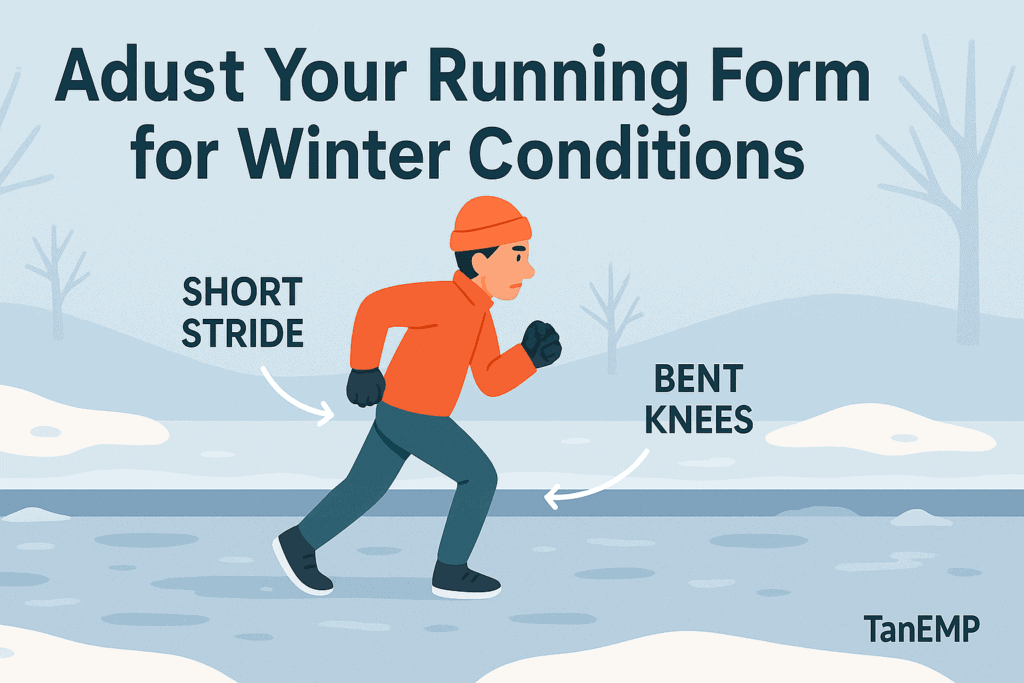
Here’s how to stay efficient and reduce your risk of injury:
- Shorten your stride for better stability on slick surfaces
- Adjust your pace. Slower, more controlled runs help you stay upright and reduce strain
- Keep your upper body relaxed to conserve energy and avoid tension
Cold muscles are more prone to muscle cramps, especially if you’re pushing too hard or skipping your warm-up. Make sure you’re staying hydrated, even in cold weather, and ease into your pace gradually.
Need to refine your form? Check out this guide on proper running form for beginners. And if running nonstop feels too intense, the run-walk method is a smart way to stay active without overexerting.
Safety Tips for Running in Winter Weather
Cold-weather running has unique safety challenges.
- Always check the weather forecast for wind chill and icy conditions
- Avoid running during blizzard conditions
- Choose routes with clear paths and less ice
- Let a family member know your route and expected return time
- Wear reflective gear so drivers can see you during the darker winter months
If you’re working on pacing, this guide on running pace for beginners can help you stay controlled even on slick roads. And if you’re aiming to build endurance safely, read how to run longer.
Staying Motivated During Colder Months
Let’s be honest: staying motivated for a cold outdoor run can be tough. The darkness, the chill, the temptation of a warm couch — it all adds up.
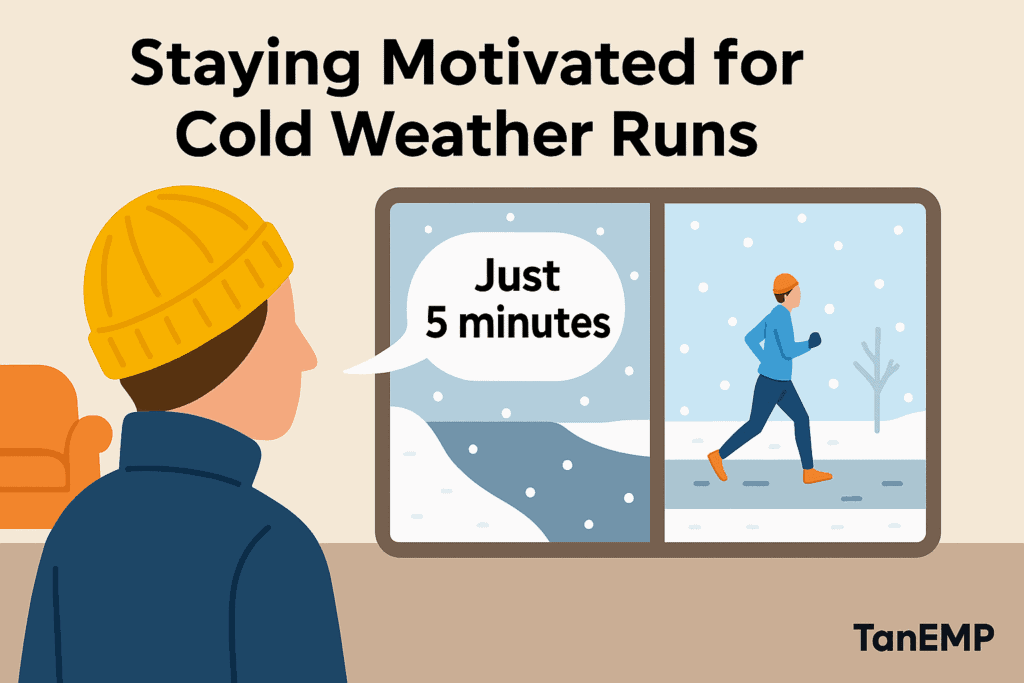
Here are a few ways to keep your momentum going through the winter:
- Set winter-specific goals. Training for a spring race can give your runs more purpose.
- Find an accountability partner or join a virtual running group to stay connected and supported.
- Remind yourself: running in cold weather builds mental grit that carries into every area of life.
Extra mindset tip:
If it’s hard to get out the door, tell yourself you’ll just run for 5 minutes. Most of the time, once you start, you’ll keep going.
Also, don’t underestimate the power of comfort. If your gear keeps your feet dry and your body warm, you’re far more likely to enjoy your run and come back for more.
Need a boost? Check out running motivation for beginners to reignite your drive, or kickstart your routine with a Couch to 5K plan.
After Your Run: Cool Down and Change Quickly
Once your run is done:
- Cool down indoors with gentle stretches
- Change out of wet or sweaty clothes immediately to avoid chills and maintain body heat
- Replenish fluids even if you don’t feel thirsty – winter air can be deceptively drying
Bonus post-run recovery tip:
Use a foam roller or do mobility work after your run to keep muscles loose during colder months.
Sample Cold Weather Run Plan

Here’s a simple plan for a beginner cold-weather run:
- 5-minute dynamic warm-up indoors (jumping jacks, lunges, high knees)
- 20-minute easy run outside at a conversational pace
- Optional run-walk intervals if the roads are slippery
- 5-minute indoor cool-down (hamstring stretch, calf stretch, hip flexor stretch)
- Change immediately into warm, dry clothes
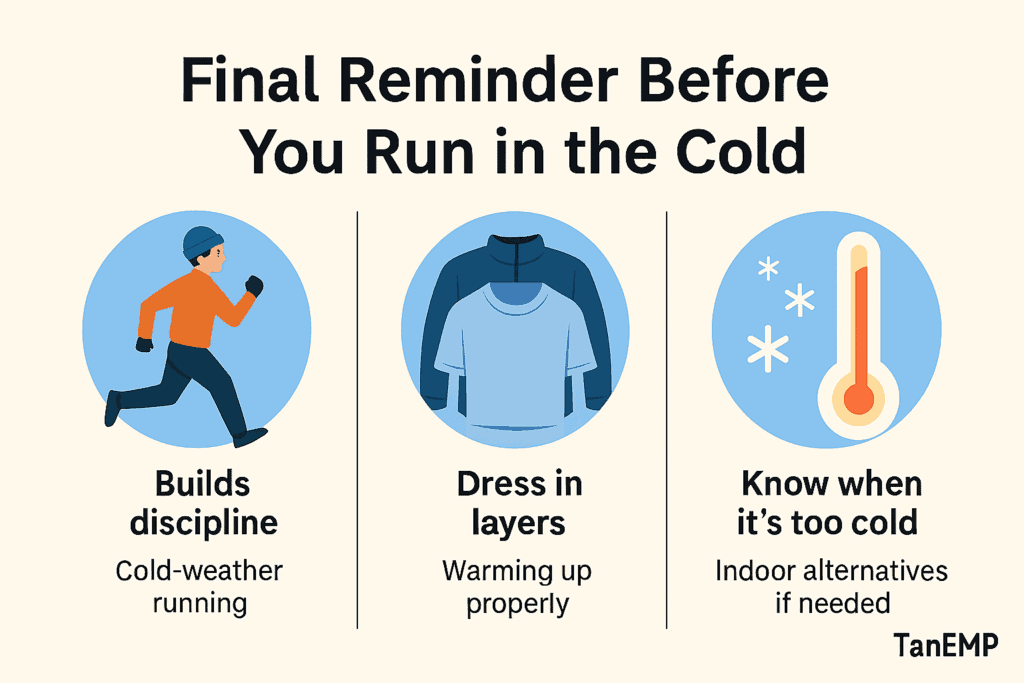
Wrap up
Cold-weather running doesn’t have to suck. With the right mindset, a solid warm-up, smart layering, and a few safety habits, your winter runs can actually be strong, safe, and even enjoyable.
And who knows — you might end up liking it more than you expected. Less crowd, crisp air, and no waiting for treadmills. You’ll be better prepared for your next race without missing a beat, even during the colder months.
Disclaimer: This article is based on my experience as a licensed chiropractor and recreational runner. The information provided is for educational and informational purposes only and is not intended to replace medical advice, diagnosis, or treatment. Always consult with your healthcare provider before beginning a new exercise program, especially if you have pain, injuries, or medical concerns.
FAQs: Running in the Cold
Is it okay to run when it’s cold?
Yes, as long as temperatures aren’t dangerously low and you’re dressed appropriately. Pay attention to wind chill and weather forecast before heading out. If you’re dealing with extreme cold or icy conditions, consider a treadmill or indoor option instead. Always prioritize safety over streaks.
How do you breathe when running in cold air?
Cold air can irritate your lungs, especially if you’re not used to it. Try inhaling through your nose and exhaling through your mouth to warm the air before it hits your lungs. A face mask or neck gaiter helps reduce breathing difficulties. It may take a few runs for your lungs to adjust, especially in early winter.
What should I wear for cold-weather running?
Layer up with performance fabrics:
A base layer to wick sweat
A mid-layer for insulation
An outer layer that blocks winter weather and wind
Don’t forget a warm hat, running tights, gloves, and reflective gear. Check out our upcoming guide on winter running gear to learn how to dress for every condition.
How do I warm up properly for a winter run?
Your warm-up is even more important in cold temperatures. Do dynamic movements indoors (like jumping jacks or high knees) to raise your core body temperature and get blood flowing before heading outside. This helps prevent injury and keeps your muscles loose when the cold hits.
Can running in the cold make me sick?
Running in cold weather doesn’t make you sick — viruses do. Consistent cold-weather running can help boost your immune system, reduce stress, and build mental toughness. Just make sure to change out of sweaty clothes immediately after your run and stay dry to avoid chills.