How to Run in the Heat: 9 Tips to Stay Safe and Strong
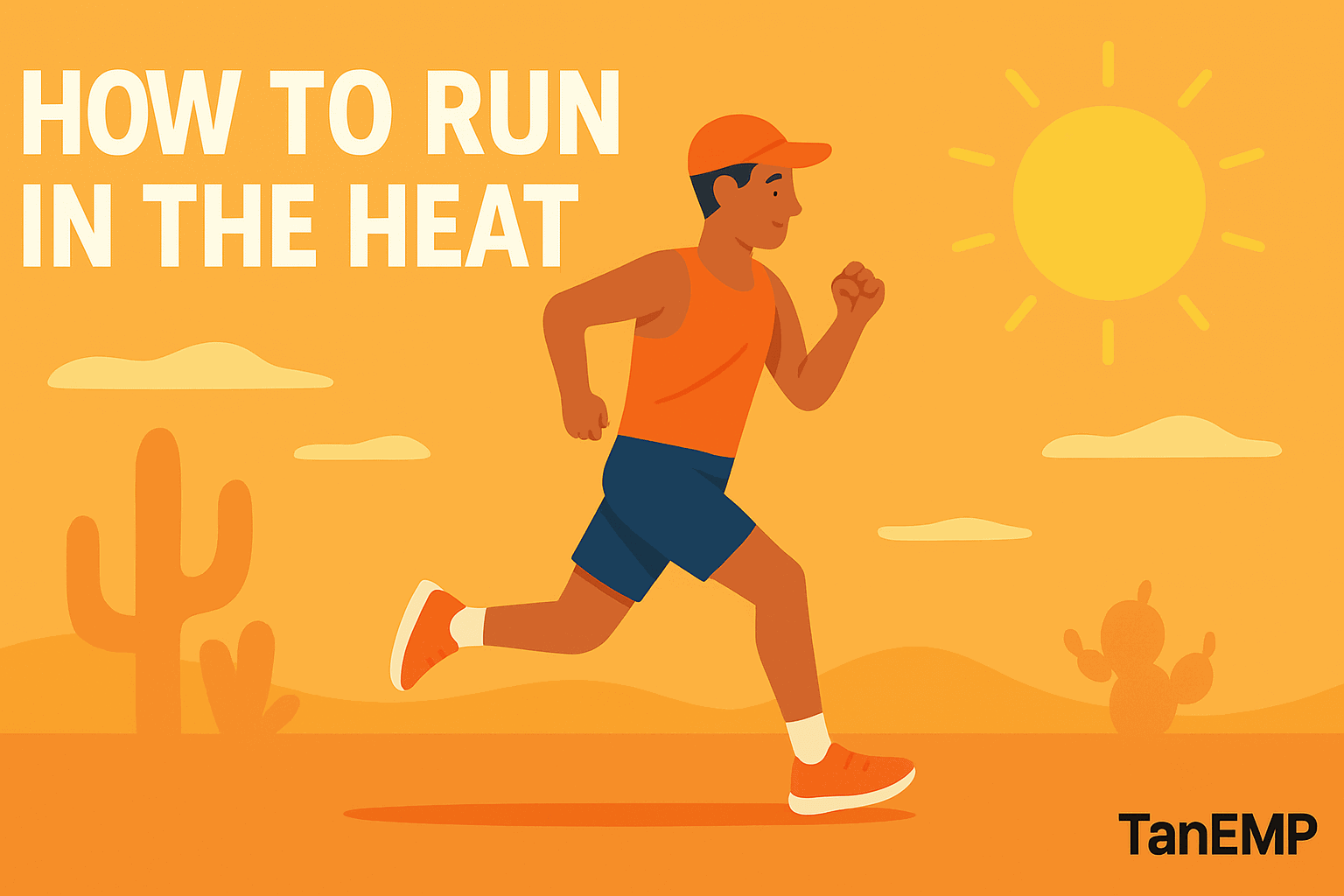
Running in the heat feels like pushing through thick soup. Your legs turn heavy, sweat pours down, and every step feels twice as hard. But skipping summer runs isn’t the only answer.
Just last week, parts of the US hit 100°F (38°C) temperatures. Here in NYC, one of my patients still went for her run at 7am – even then, it was already 80°F (27°C) and felt unbearable. Definitely not a day any running coach would recommend heading out.
As a chiropractor and runner who’s trained through blazing summers, I’ve seen how heat affects the body. In this guide, you’ll learn how to run in hot weather safely, avoid heat exhaustion, and keep your training strong, even on the hottest days.
Key Takeaway (TL;DR)
✔ How to run in the heat safely:
- Run early mornings or avoid peak heat hours (10 am–4 pm)
- Drink cold water and sports drinks to stay hydrated
- Wear moisture-wicking fabrics and loose clothing to stay cool
- Watch for heat exhaustion, heat stroke, and heat cramps
- Adjust running pace in high temperatures to reduce heat stress
- Avoid intense workouts during extreme heat or heat waves
- Check the heat index and temperature, and humidity levels before heading out
- Listen to your body – rising core temperature and heavy sweating are warning signs
- Switch to a treadmill or indoor training on hot days with dangerous conditions
1. Why Running in Heat Feels So Hard
Ever wonder why running in the heat feels brutal?
It’s all about body temperature and heat production. When you run, your muscles generate heat. Add high air temperatures, and your core temperature rises fast. To cool down, your body works hard, sending more blood to your skin to release heat. This means less blood flow for working muscles, making your legs feel heavy and your pace slow down.
Imagine this:
It’s like starting your car after it’s been parked under the blazing summer sun for hours. The engine works overtime to cool everything down. Now, picture driving off immediately at 70 miles per hour – your car struggles. That’s what your body feels like running in hot weather, trying its best to keep you cool while you keep pushing forward.
Plus, humidity traps sweat on your skin, blocking evaporation that usually cools you off. That’s why running in the heat feels so much harder compared to cooler temperatures.
If you’re struggling with pacing in hot weather, here’s a guide to help you find your running pace for beginners so you can adjust smartly on hot days.
2. How to Run in the Heat Safely
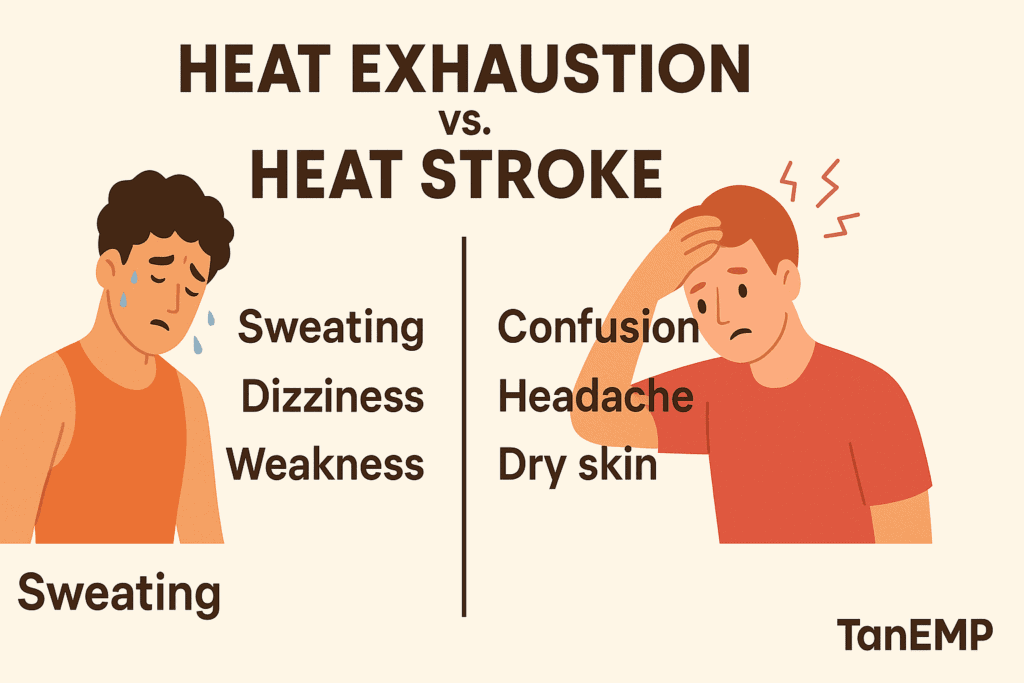
Running in the heat comes with risks like heat exhaustion, heat stroke, and heat cramps. Here’s how to run in the heat safely to avoid serious heat illness while keeping your training strong.
Running in high temperatures comes with serious risks, from heat exhaustion to heat stroke. Here’s an in-depth guide from the Mayo Clinic on how to exercise safely in hot weather if you want additional expert tips.
Heat Exhaustion
- Heavy sweating
- Weakness and dizziness
- Nausea or headache
Heat Stroke (medical emergency)
- Hot, dry skin (no sweating)
- Confusion or fainting
- High body temperature above 104°F
Other heat illnesses include heat cramps (painful muscle spasms) and heat stress, which reduces your performance and increases injury risk.
If you notice signs of heat illness, stop running immediately and seek shelter in a cool place.
3. Best Time to Run in Hot Weather
To avoid dangerous peak heat hours, aim to run early in the morning or later in the evening. Peak heat times are usually between 10 am and 4 pm.
Running in the early mornings offers:
- Cooler temperatures for safer runs
- A lower heat index, reducing heat stress
- Less intense sun exposure, keeping your core body temperature down
Always check your local weather app for temperature and humidity levels before heading out to ensure it’s safe for hot-weather running.
For more tips on finding the ideal time to run, check out this guide on the best time to run for your goals and schedule.
4. How to Dress for Running in the Heat
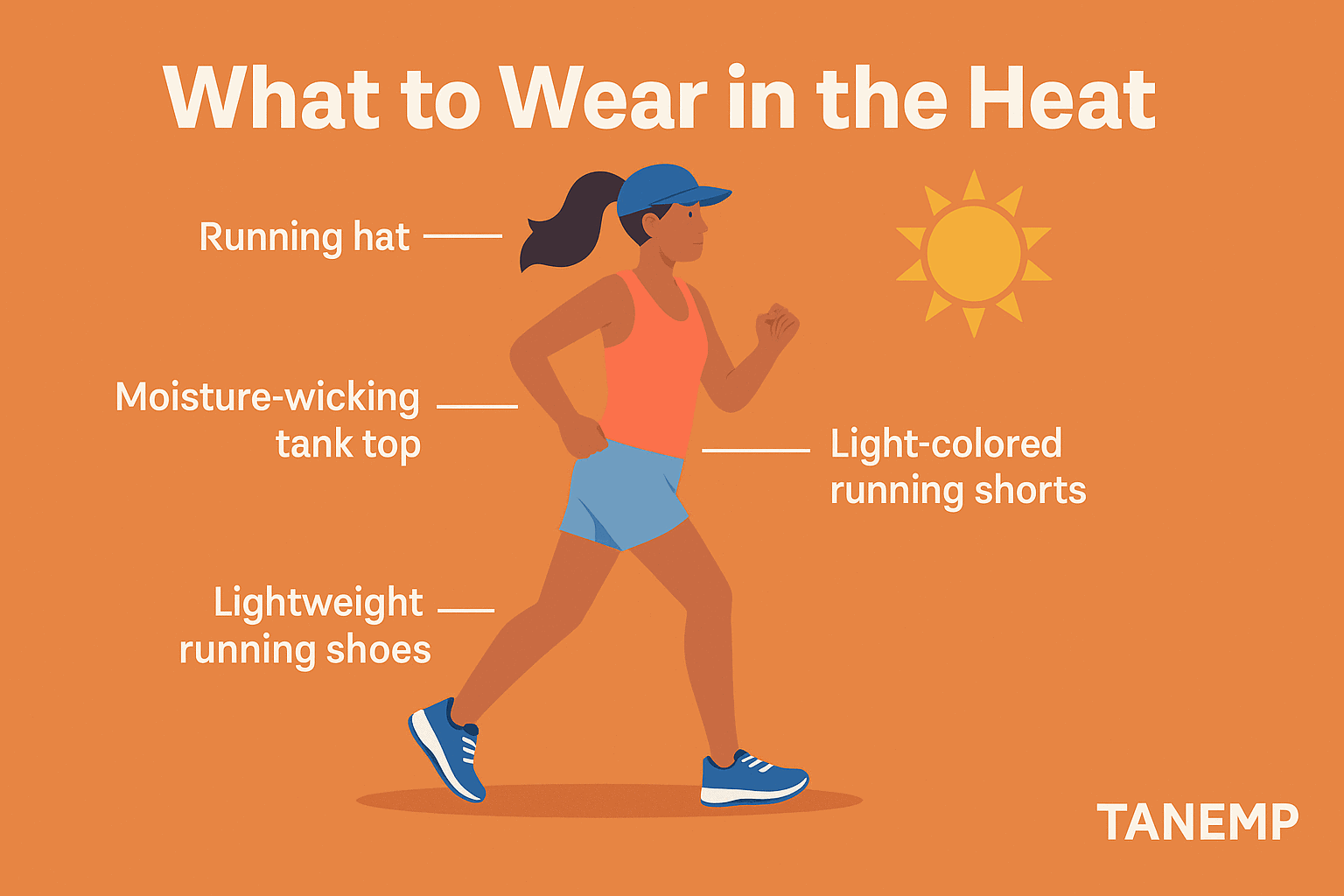
Your clothing can make or break a hot-weather run. Wearing the right gear keeps you cooler, more comfortable, and reduces your risk of overheating.
✅ Wear moisture-wicking fabrics – they pull sweat off your skin so it evaporates faster, keeping you cool and dry
✅ Choose light-colored, loose clothing – darker colors absorb heat, while lighter shades reflect the sun’s rays
✅ Avoid cotton – it soaks up sweat, stays wet, and can make you feel heavy and uncomfortable
✅ Opt for synthetic moisture-wicking materials – these are designed specifically for hot-weather running to keep you feeling lighter and drier throughout your run
Also, don’t forget sunglasses to protect your eyes from harsh sunlight, a running hat to shield your face, and sunscreen to prevent sunburn, even on cloudy days.
5. Adjusting Your Training for Heat
Running in hot weather requires smart adjustments:
- Slow down your running pace to reduce heat stress and avoid heat exhaustion
- Focus on relaxed pace base miles instead of speed workouts to let your body adapt
- Avoid intense workouts or long runs during extreme heat or heat waves
Gradually exposing your body to warmer conditions builds heat acclimation, improving your body’s ability to handle high temperatures safely.
If you’re unsure about distance or duration on hot days, here’s a helpful guide on how long beginners should run to keep training safe and effective.
6. Hydration Strategies for Hot Weather Running
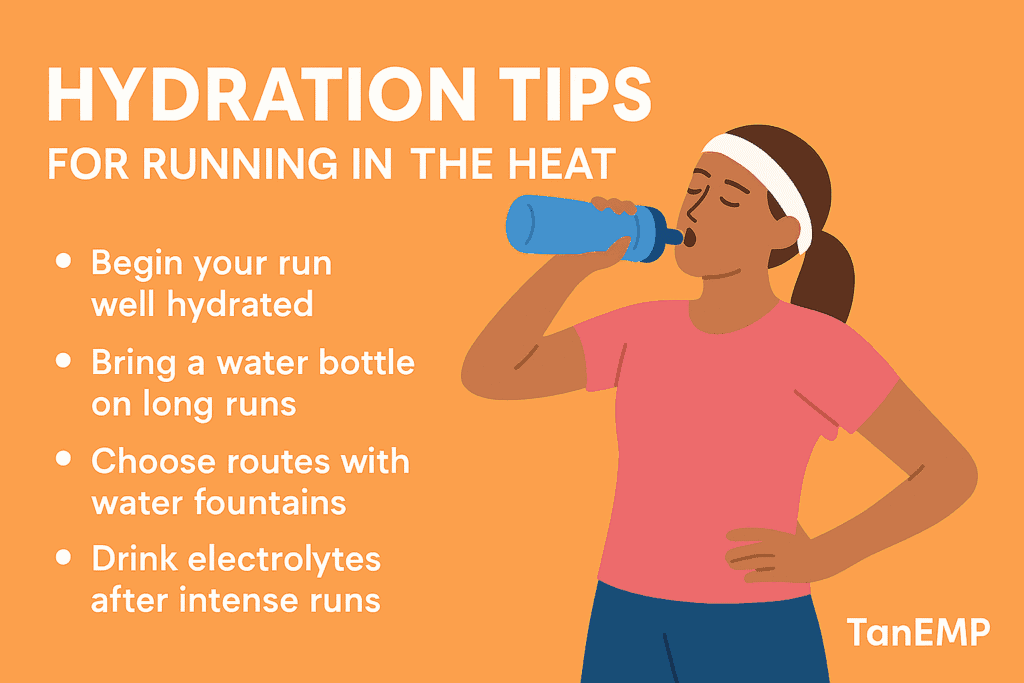
Staying hydrated is crucial to avoid heat illness and keep your performance strong during hot-weather runs.
✅ Drink water before, during, and after your run – start your run well-hydrated so you’re not playing catch-up when the heat hits
✅ For runs longer than 45 minutes, bring a sports drink to replace electrolytes lost through sweat and prevent muscle cramps
✅ Sip half a cup every 15–20 minutes during your run to maintain hydration without feeling bloated
✅ Cold water helps lower your core body temperature, making you feel cooler from the inside out
Using a handheld water bottle, hydration belt, or hydration vest makes it easier to drink while running without breaking your stride. Staying on top of hydration is one of the simplest yet most effective ways to protect yourself from heat exhaustion or heat stroke on hot days.
7. Cooling Down After Running in Heat
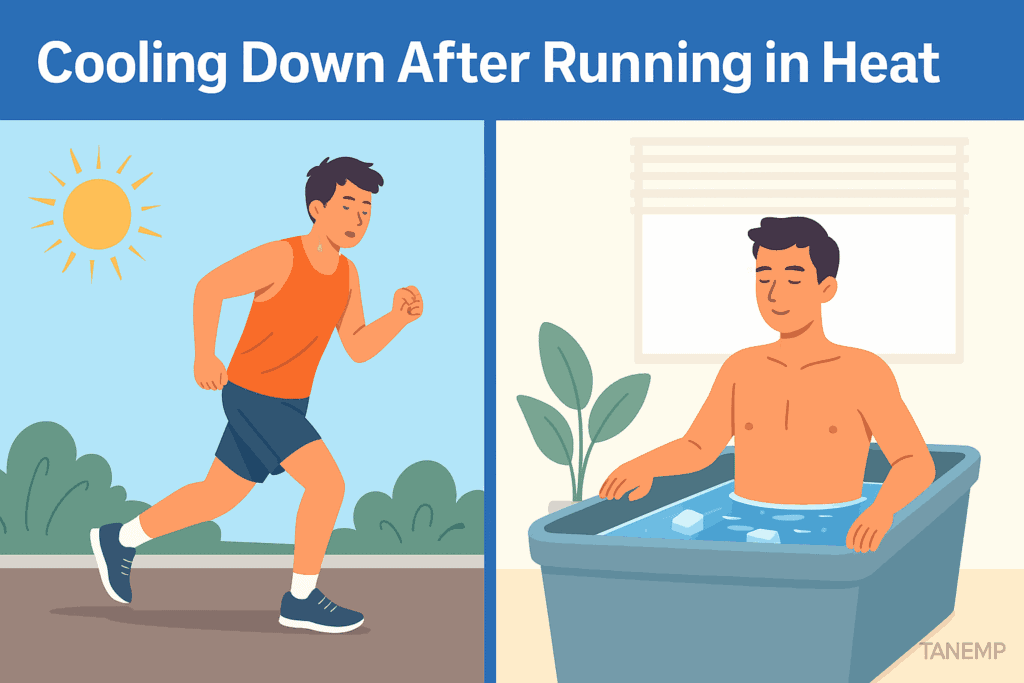
After a hot-weather run, proper cooling down helps your body recover faster and prevents overheating.
✅ Take a cold bath or cool shower – this lowers your core temperature quickly and soothes muscles that worked hard in the heat
✅ Drink cold water or a sports drink to rehydrate and replace lost minerals and electrolytes, helping your body recover and preventing dehydration
✅ Change into dry clothes and stay in a cool environment – damp, sweaty clothes trap heat against your skin, so changing keeps you comfortable and helps your body continue cooling down efficiently
Spending a few extra minutes focusing on post-run recovery ensures you feel better later in the day and stay ready for your next workout.
8. Extra Tips for Running in Extreme Heat
- Check the heat index before runs – high humidity + high temperature increases heat illness risk
- Pick shaded running routes with water access
- Run with a partner for safety on hot days
Avoid running if there’s a heat advisory, the most intense heat, or if you’re recovering from illness.
9. When Not to Run in the Heat
Skip your run if:
- Temperatures are over 95°F (35°C) with high humidity
- You notice signs of heat exhaustion or heat stroke
- There’s a heat wave warning in your area
On these extreme heat days, it’s smarter to use them as rest days, do strength training indoors, or switch to a treadmill workout. If you’re unsure about treadmill running form, here’s a helpful guide on how to run properly on a treadmill to keep your training effective and safe.
Wrap Up
Running in hot weather isn’t easy, but it doesn’t have to stop your progress. Focus on timing your runs wisely, dressing in moisture-wicking gear, hydrating well, and listening to your body’s warning signs.
If the heat feels dangerous, consider switching to an indoor treadmill workout like this HIIT treadmill workout for beginners, or take a rest day – your health always comes first.
Embrace the summer challenges smartly, and you’ll build not just endurance but the mental toughness that makes you a stronger runner year-round.
Disclaimer: This article is based on my experience as a licensed chiropractor and recreational runner. The information provided is for educational and informational purposes only and is not intended to replace medical advice, diagnosis, or treatment. Always consult with your healthcare provider before beginning a new exercise program, especially if you have pain, injuries, or medical concerns.
FAQ
What temperature is too hot for running?
Running in high temperatures above 90°F (32°C), especially with high humidity, can be dangerous. When the heat index climbs over 100°F (38°C), it increases your risk of heat exhaustion, heat stroke, and other heat illnesses. If it feels unsafe, swap your outdoor run for an indoor workout to protect your health.
How can I avoid heat cramps while running?
Heat cramps happen when you lose too much salt and fluid through sweat. To prevent them, drink water consistently, include a sports drink on longer runs to replace electrolytes, and avoid intense heat or peak heat hours when possible.
Does heat acclimation help with running in hot weather?
Yes. Heat acclimation means gradually training in warmer temperatures so your body’s ability to regulate core temperature improves. Start with short, easy runs during warm temperatures, then increase duration over a week or two to adapt safely.
Why does my body temperature rise so quickly when running in the heat?
When running, heat production from working muscles increases. Add hot weather and your body temperature rises faster. To regulate temperature, your body diverts blood flow to the skin to release heat, which can make you feel sluggish.
Is it safe to run during a heat wave?
Running during a heat wave can be dangerous, especially during peak heat times. Your risk of heat stress, heat exhaustion, and heat stroke rises. It’s best to run indoors, switch to a cold bath recovery, or reschedule runs until cooler temperatures return.