How to Run in the Winter: 9 Essential Tips for Cold Weather Running
Thinking of skipping your runs because it’s too cold outside?
It definitely takes determination to head out in the early morning before sunrise—or after work when the sun has already set.
Many runners pause their routine once the temperatures drop, unsure if it’s even safe to lace up. But the truth is, winter running isn’t as bad as it seems—if you’re prepared.
With a little preparation and the right gear, you can keep running in the colder months and even enjoy it. In fact, running through the cold season can build grit, strengthen your immune system, and help you show up stronger for spring races.
If you’re new to the sport, make sure to check out these tips for beginner runners before you head out.
This guide breaks down 9 essential tips for running in the cold so you can stay warm, safe, and motivated all winter long.
🔑 Key Takeaways: How To Run in the Winter
- Winter running is safe if you prepare with the right gear and mindset.
- Know when conditions are unsafe (black ice, extreme cold) and take runs indoors when needed.
- Warm up indoors first—your body performs better when it’s not starting cold.
- Focus on consistency, safety, and form instead of chasing PRs.
- Winter miles build grit, mental toughness, and help you stay fit for spring races.
9 Tips for Running in the Winter
Running in the winter can’t be compared to running in the summer. The cold air, darker days, and unpredictable weather make it a very different challenge.
But with proper preparation and the right gear, your winter runs can be more enjoyable—and sometimes even more fun.
That said, not every day is safe. If you can’t stand those 20-degree mornings (where it feels like you’re breathing glass), it’s perfectly fine to move your run indoors.
Everyone has their own ‘it’s too cold to run today.’ For me, that’s anything below 50°. The key is finding what works for you while staying consistent and safe.
Tip 1: Know When It’s Safe to Run Outside
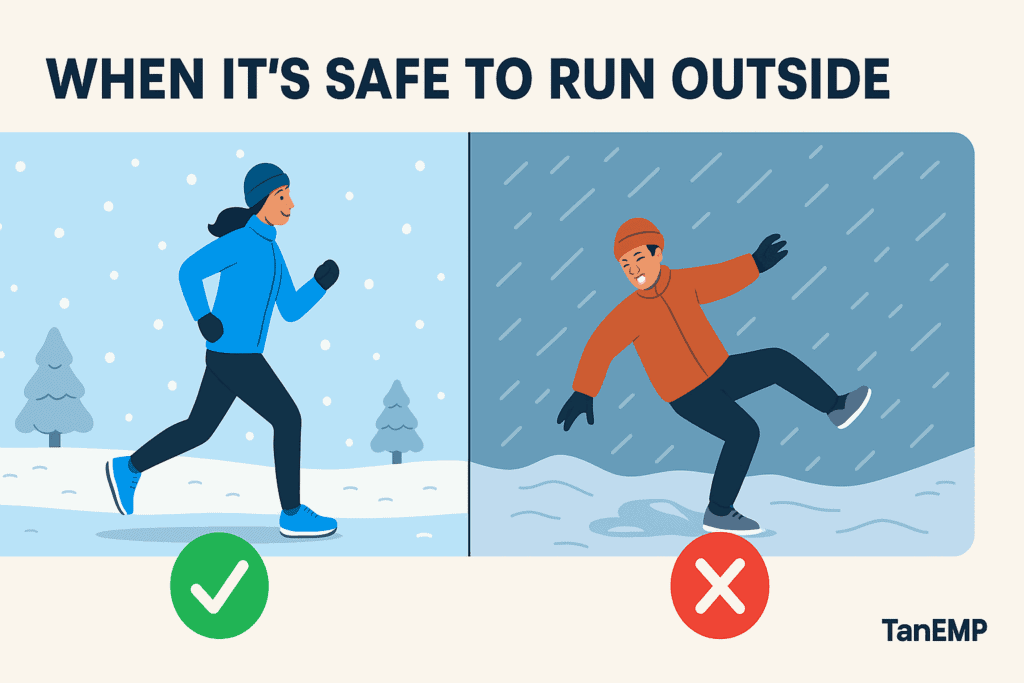
Yes, you can run in the winter, but safety comes first. Some winter conditions are manageable with preparation—others are better avoided.
✅ Okay to Run | 🚫 Better to Skip |
|---|---|
Light snow | Blizzard conditions |
Cold but dry roads | Untreated black ice |
Chilly days with clear sidewalks | Extreme cold where frostbite can set in |
On unsafe days, choose the treadmill or an indoor workout. Many runners train year-round by mixing indoor and outdoor runs—you won’t lose progress by playing it safe.
If you’re unsure, check the weather forecast before heading out. A quick look at wind speed, wind chill, and real temperature drop alerts can save you from a dangerous run.
For extra guidance, you might also want to read about running in the morning vs at night and how to pick the best time to run based on conditions and your schedule.
Tip 2: Warm Up Indoors Before You Head Out
Starting cold is a recipe for a rough run. Muscles are tighter in cold temperatures and need extra attention before they’re ready to move. A good warm-up gets your blood flow going and your body heat rising before you step into the cold air.
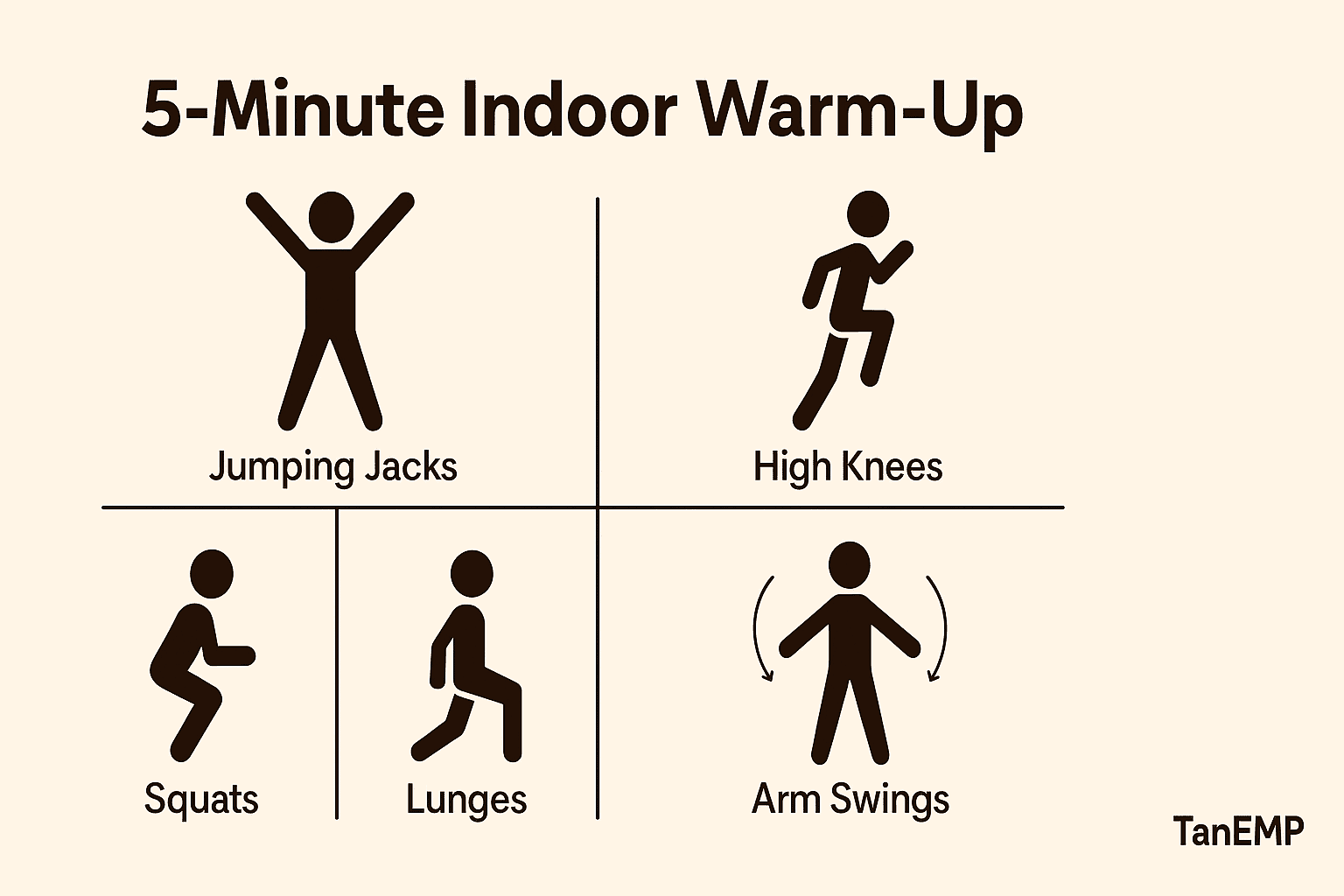
Try this 5-minute indoor routine:
- 30 seconds jumping jacks
- 30 seconds high knees
- 30 seconds leg swings
- 30 seconds of bodyweight squats
- 30 seconds of lunges
- 30 seconds arm swings
Repeat twice.
Don’t skip your warm-up—it not only raises your body temperature but also primes your joints for uneven winter running surfaces. The goal: head outside already warm, not waiting for the first mile to thaw you out.
Remember, your muscles work extra hard in the cold. If your body is already warmed up before heading out, your run will feel smoother, more efficient, and you’ll be less likely to overwork muscles or risk an overuse injury.
💡 Beginner Tip: Build the habit year-round. A warm-up only takes an extra 5–10 minutes, but your body will thank you months down the line. For an easy starter routine, check out this 5-minute running warm-up. You’ll also want to know when to use static vs dynamic stretching so you’re moving the right way before and after your run.
Tip 3: Dress in Layers with the Right Fabrics
Choosing the wrong outfit is the #1 mistake new runners make in the cold season. Too many layers and you’ll sweat, then freeze in sweaty clothes. Too few, and you’ll never stay warm.
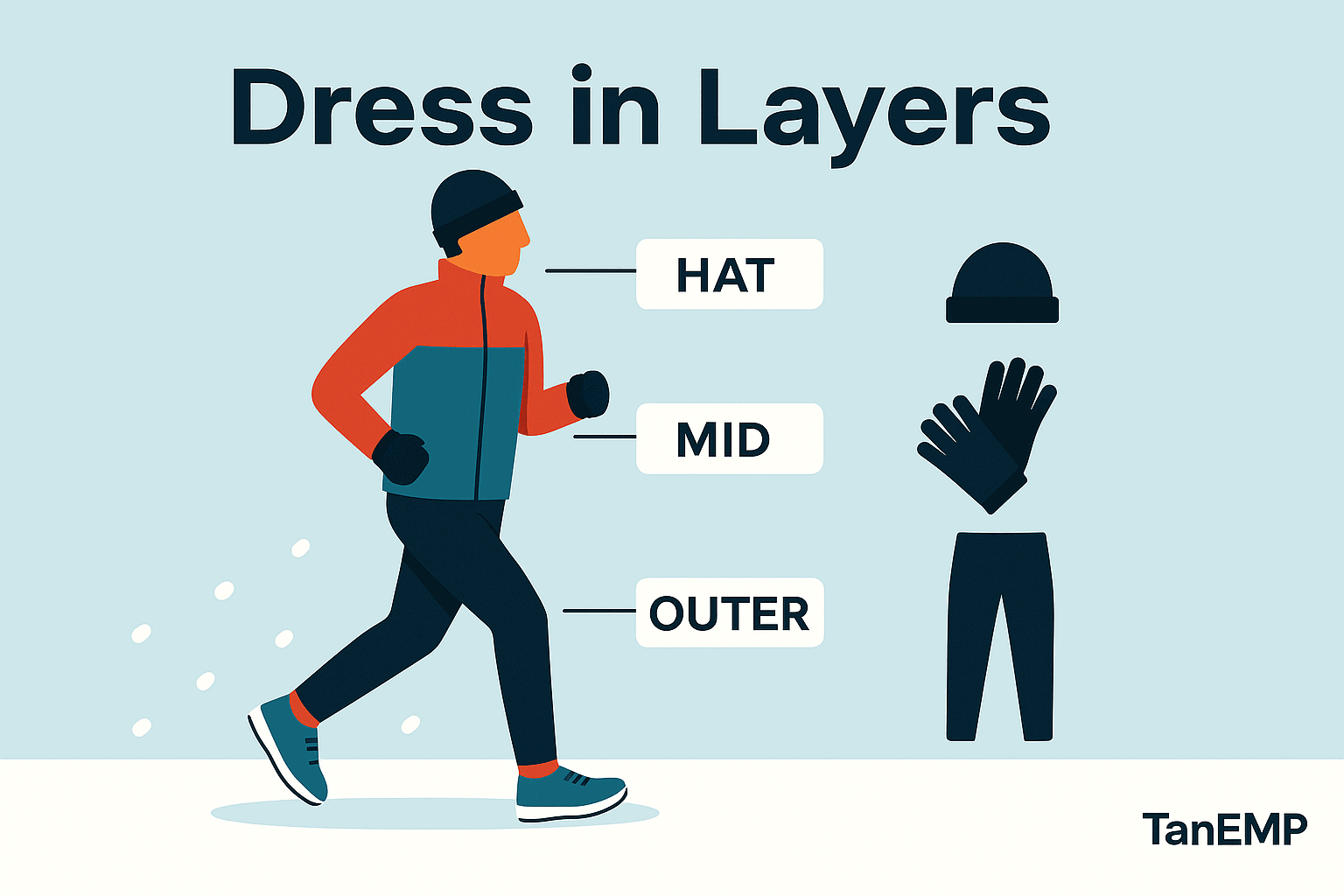
The best system is three layers:
- Base layer: Moisture-wicking performance fabric to move sweat away.
- Mid layer: Insulating material like merino wool that holds heat without trapping more moisture.
- Outer layer: A windproof, water-resistant third layer to block cold gusts and snow.
For legs, running tights are a must in cold-weather running. Cover your extremities too: a warm hat prevents heat loss, and gloves keep your upper body warm.
Footwear matters too. Never wear short ankle socks in freezing temperatures. Stick with dry socks that help your feet stay warm. Cotton should be avoided—it holds water, making you feel cold fast.
Tip 4: Choose the Right Winter Running Shoes
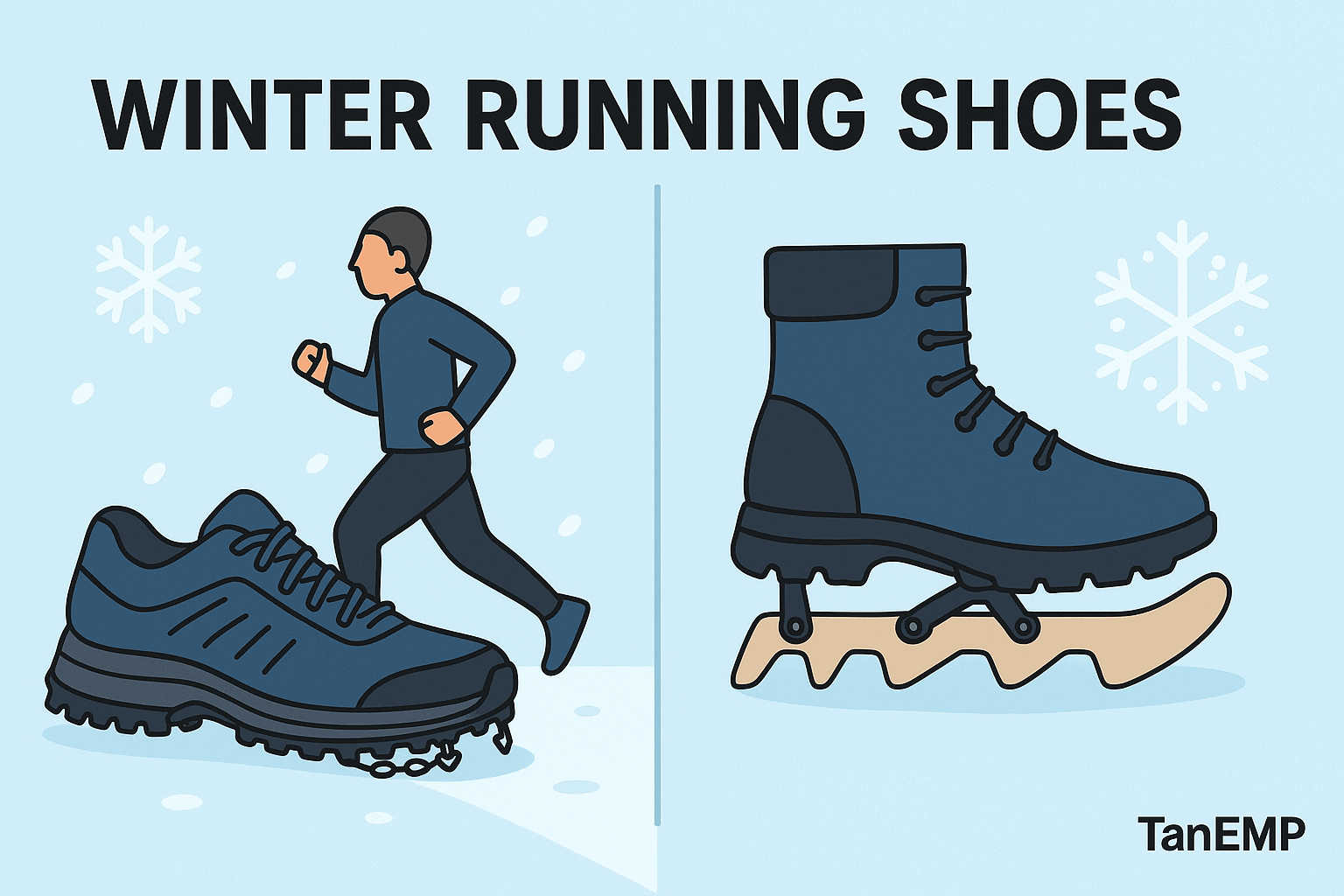
In the cold season, your shoes are your shield. Running shoes with good traction and a good grip are essential on icy paths. Consider trail shoes or models with deeper tread.
For slick sidewalks, add snow chains or microspikes. These attach directly to your shoes and give you more stability in winter conditions.
But here’s the truth: when it comes to freezing cold and hidden black ice, no shoe—no matter how good the grip—is completely slip-proof. Unless you’re running in a heavy-duty snow boot, the risk of slipping is still there.
And honestly, if you’re pulling out snow boots just to jog outside, that’s a sign you may be better off skipping the outdoor run altogether and heading indoors.
The key is to keep your feet dry. Once wet clothes or damp socks soak through, your body heat plummets. Always bring an extra pair of socks if you’ll be running through snow.
👉 Remember: the right shoes and right footwear aren’t luxuries in winter—they’re safety tools. Use them wisely, and don’t be afraid to call it an indoor day when conditions are too risky.
Tip 5: Adjust Your Pace and Form for Winter Conditions
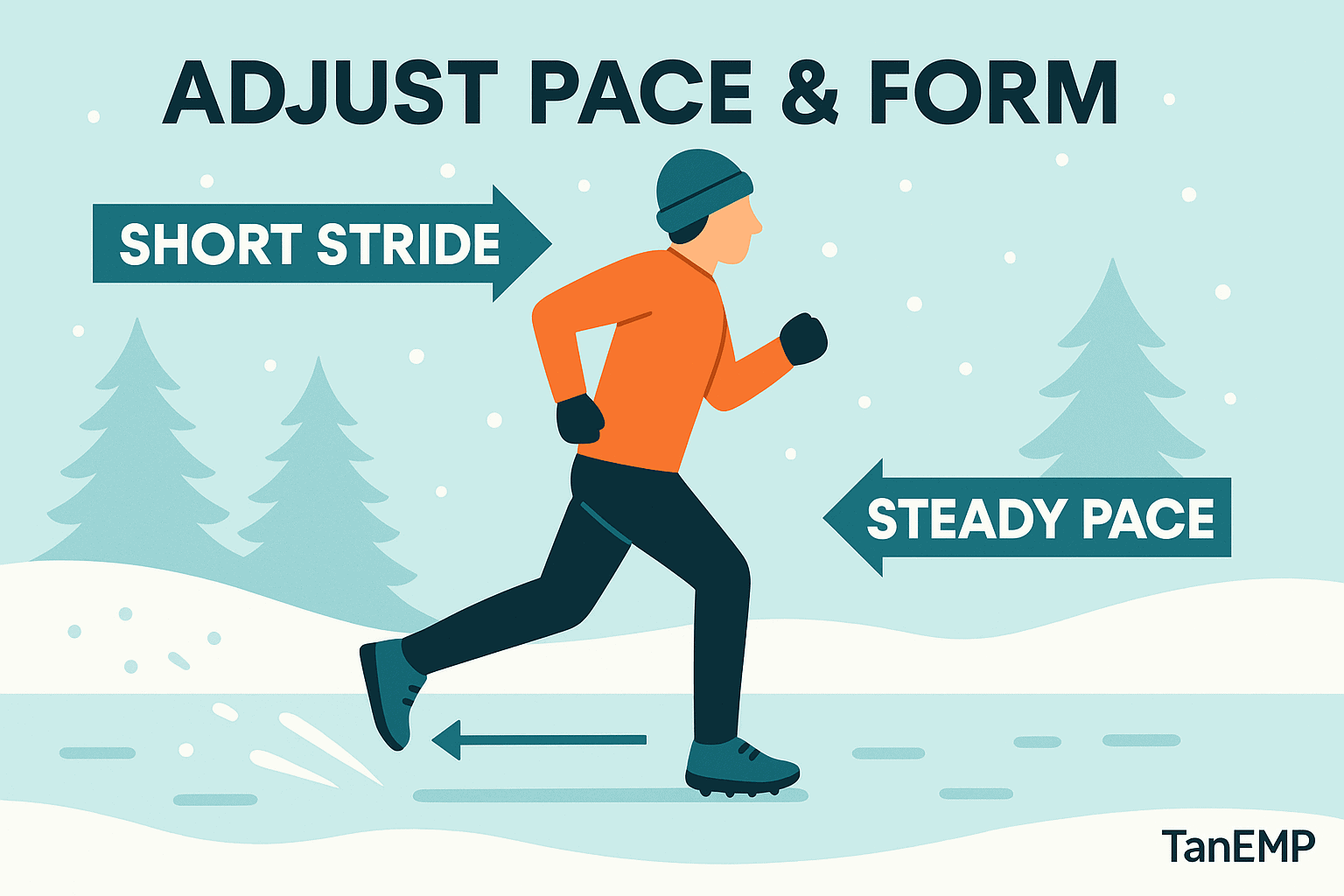
Winter isn’t the season to go after a personal record. Instead, it’s about consistency and safety. In winter jogging, shorten your stride and slow your pace when paths are slick.
Think of winter as base-building. Many runners swap speed sessions for steady aerobic miles. A pace that feels “easy” in warm weather might feel challenging when running in the cold—and that’s normal.
This is especially true if you live in places like upstate New York, Boston, or Chicago, where harsh winters can make running outdoors tough. Winter running is less about chasing speed and more about maintaining form, fitness, and the habit of lacing up. That way, when early spring races roll around, you’re already prepared.
So don’t feel bad about dropping the pace. Winter is about staying upright, healthy, and consistent—not proving how fast you can go in extreme cold.
If you’re unsure where to start, this guide on running pace for beginners can help you set realistic expectations. And since form matters even more in icy conditions, here’s a breakdown of running cadence for beginners to keep your stride smooth and efficient.
Tip 6: Stay Visible with Reflective Gear
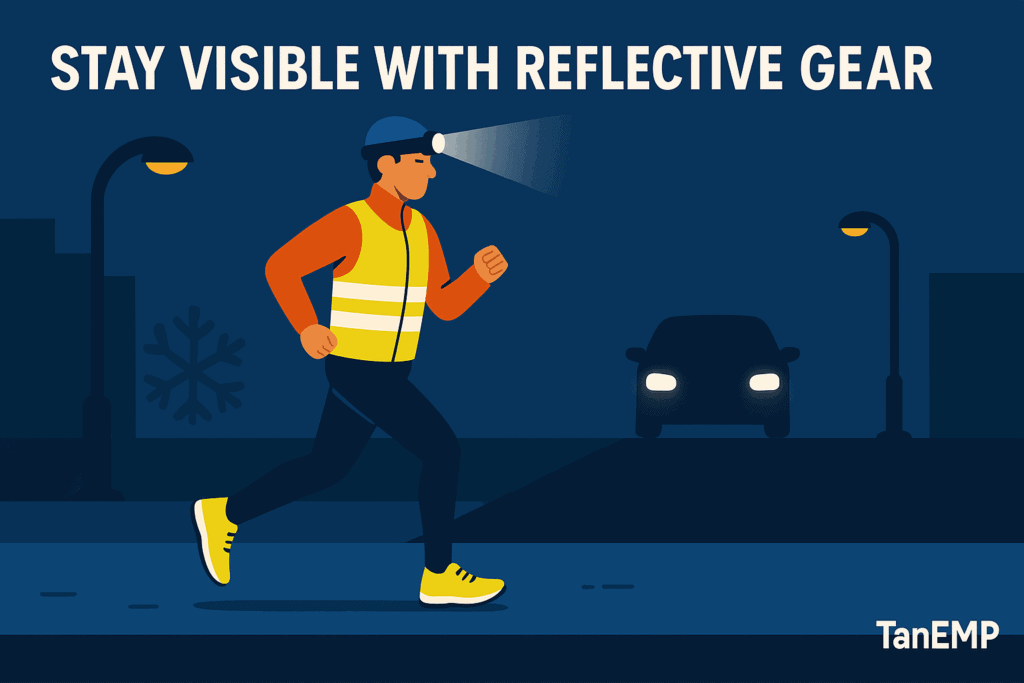
Shorter days mean more runs in the dark. To stay safe, wear reflective gear like vests, armbands, or jackets with reflective strips. Some runners add a headlamp or clip-on lights for extra visibility.
Always wear reflective clothing, even if you stick to sidewalks. It’s a small step that keeps many runners safe in winter weather. For more tips on visibility and safety, check out this guide to running at night.
And don’t forget: tell a family member your route and expected return time. Checking the weather forecast before you head out also helps you prepare for sudden changes.
Tip 7: Don’t Forget Hydration and Breathing
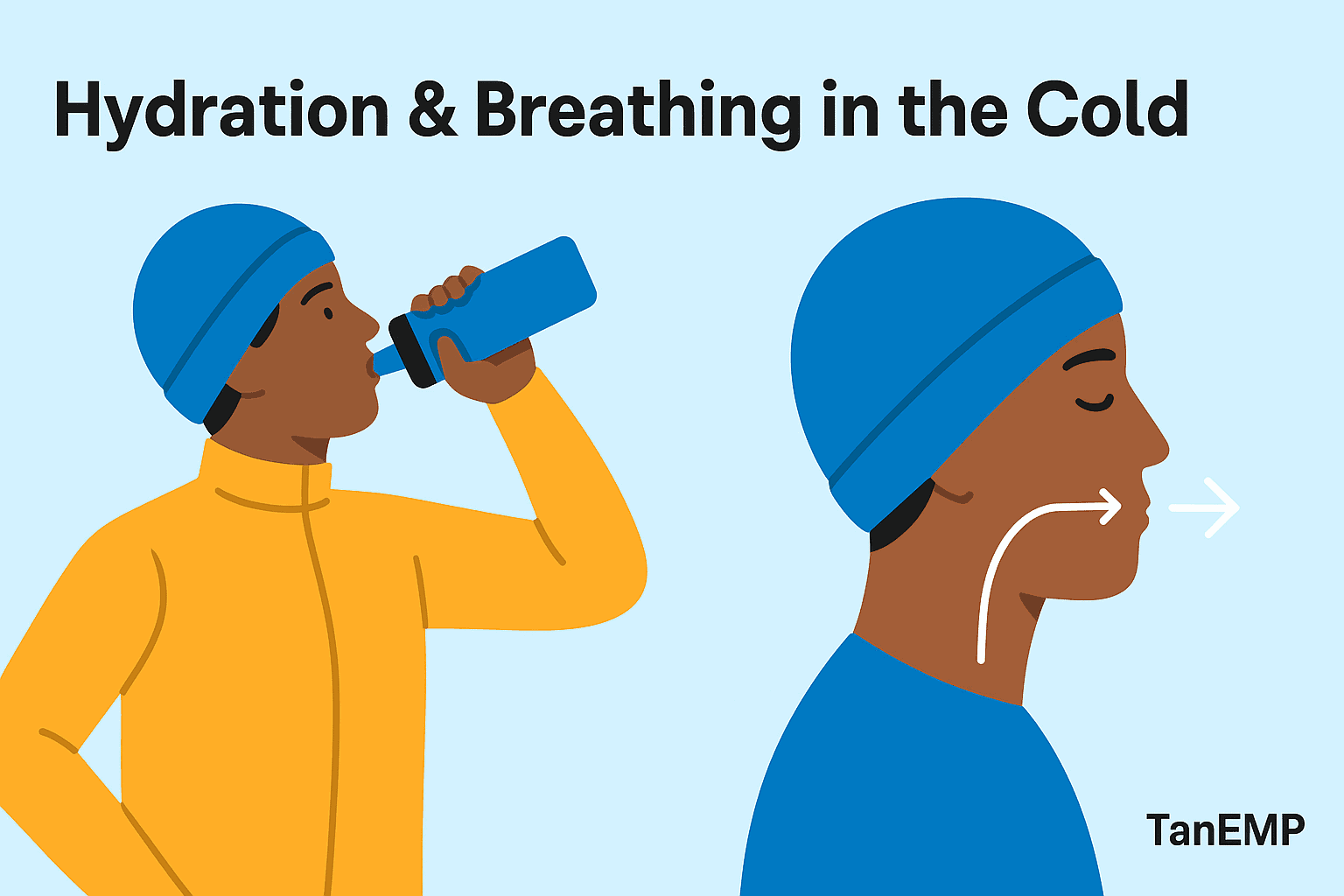
It’s easy to forget hydration in the colder months because you don’t sweat as much. But the dry air dehydrates you faster than you realize. Carry a water bottle and sip regularly, even if you don’t feel thirsty.
Breathing is another hurdle. Cold, crisp air can irritate your lungs. To reduce discomfort, inhale through your nose and exhale through your mouth. This warms the air and helps your body temperature stay balanced. If you struggle with this, here’s a full guide on how to breathe while running that breaks it down step by step.
Simple cold-weather running tips like this make a big difference in how comfortable your run feels.
Tip 8: Recover Smart—Cool Down and Change Quickly
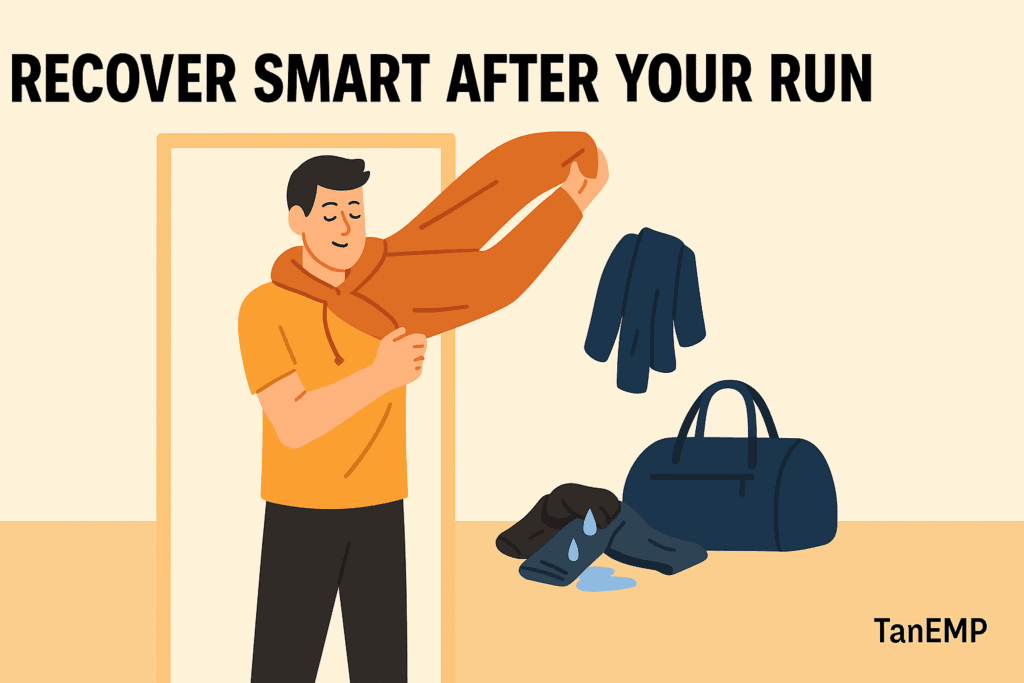
After finishing, don’t linger outside. Your body heat drops fast once you stop moving. Do a short cool-down indoors, then immediately change out of sweaty clothes.
Even a few minutes in wet clothes can undo all your efforts to stay warm. Swap into warm layers right away. Quick recovery habits like this keep you from catching a chill and make it easier to get out the door for your next run.
And remember, recovery isn’t just about warmth—maintaining proper running form during your runs also reduces fatigue, making the cool-down process smoother.
Tip 9: Embrace the Benefits of Winter Running
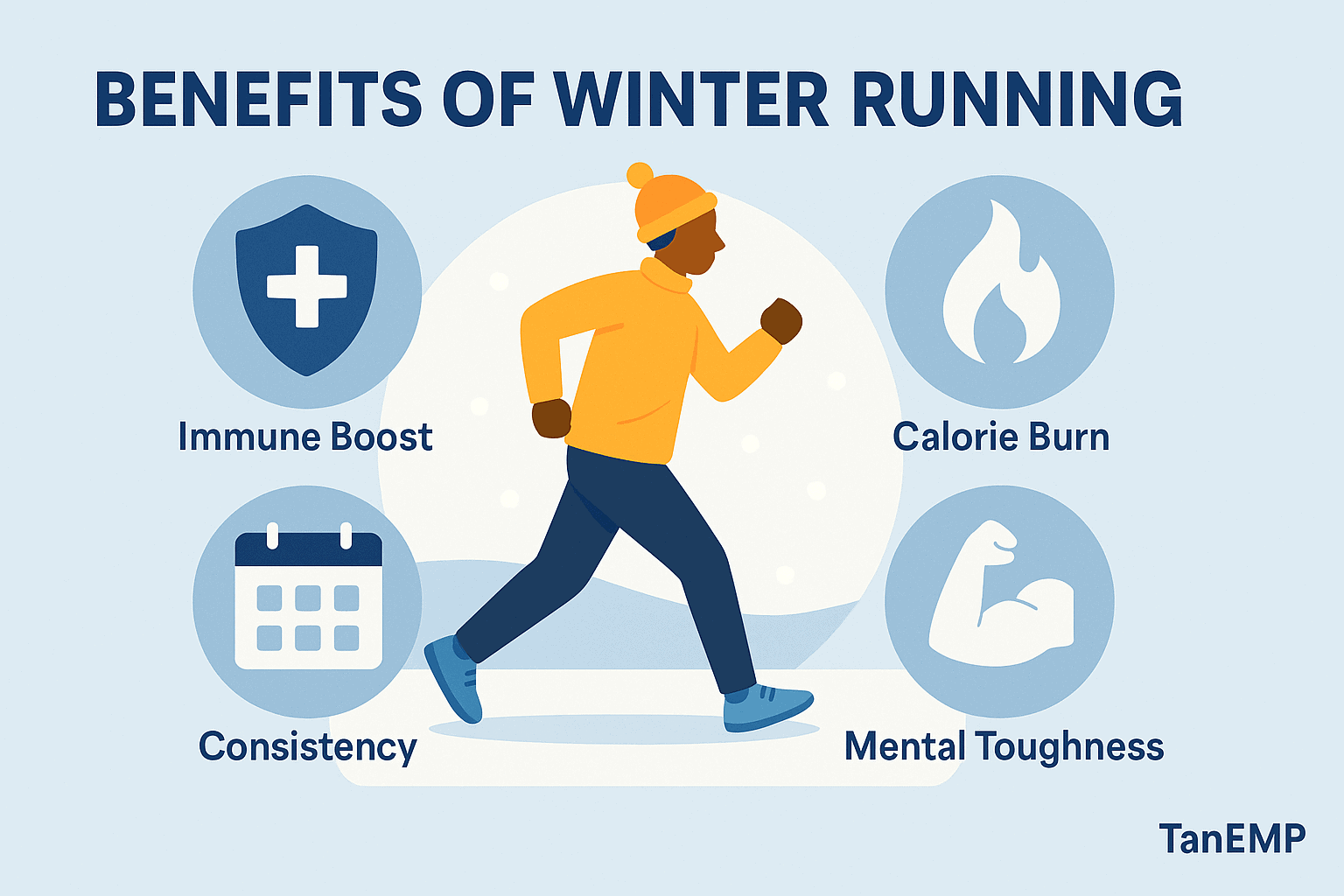
It’s easy to dread cold temperatures, but winter running has real advantages:
- Strengthens your immune system
- Burns more calories as your body maintains body temperature
- Builds mental toughness that carries into spring races
- Keeps you consistent year-round
Many runners find that winter is when they become most consistent. Without the pressure of chasing times, you can focus on the basics: getting out the door, logging miles, and enjoying the challenge of running in the winter.
If you’re unsure how to balance that consistency with recovery, this guide on how often beginners should run can help you build a safe, sustainable routine.
Wrap Up
Don’t let winter keep you inside. With these 9 tips—covering everything from dressing properly to using the right gear—you’ll be ready to stay consistent in the cold.
Training through the colder months builds grit, keeps your fitness steady, and prepares you for warm weather runs and spring races. See winter not as a setback, but as a chance to grow stronger. And if you need an extra push, these running motivation tips for beginners can help you stay inspired through the toughest days. When the temperatures rise again, here’s how to run in the heat so you’re ready for year-round running.
Disclaimer: This article is based on my experience as a licensed chiropractor and recreational runner. The information provided is for educational and informational purposes only and is not intended to replace medical advice, diagnosis, or treatment. Always consult with your healthcare provider before beginning a new exercise program, especially if you have pain, injuries, or medical concerns.
FAQs
Is it possible to run in winter?
Yes—with the right gear, winter jogging is both safe and rewarding. Most runners adapt by layering, choosing safe routes, and mixing indoor and outdoor training.
How cold is too cold for running?
If the wind chill brings frostbite risk in under 20 minutes, or if you’re facing extreme cold and icy roads, it’s best to stay inside. Safety always comes first.
How to run in the cold as a beginner?
Start small. Do an indoor warm-up, wear layered gear, and keep your expectations realistic. Even short runs in cold weather help your body adapt.
Why do I struggle to run in the cold?
The cold air reduces circulation and makes you feel stiff. Muscles tighten, lungs burn, and your body heat escapes quickly in cold temperatures. With practice and smart preparation, these challenges become manageable.