Couch to 5K Plan for Beginners: Free 8-Week Program to Run Your First 5K in 2025

Ready to go from the couch to your first 5K?
You’re in the right place.
I’m a chiropractor who works with runners daily, treating everything from shin splints to knee pain. But here’s the twist: I’m also a beginner runner myself.
Like many of you, I started from zero. No experience, no fancy gear—just a desire to move more and feel better. And let me tell you: the first mile was tough. But with a solid plan and a realistic approach, I got there—and so can you.
This 8-week Couch to 5K plan is made for true beginners. It’s simple, low-stress, and helps you build strength week by week. No pressure, no perfection—just progress.
Let’s lace up, take that first step, and work toward a stronger, healthier version of you—one run at a time.
Key Takeaway
- This 8-week Couch to 5K plan is made for true beginners.
- It uses a simple run-walk method to safely build endurance.
- You’ll avoid injury, gain confidence, and run your first 5K—one step at a time.
What Is the Couch to 5K Plan?
So, what exactly is Couch to 5K training?
It’s a program designed for people who are couch potatoes or spend most of their day sitting, helping them work up to running 3.1 miles.
For new runners, it usually takes about 30-40 minutes to complete a 5K.
Running 3.1 miles might sound intimidating for many absolute beginners, including me when I first started.
That’s why we’re here to help you reach 5K with a solid workout plan. One of the best methods for beginners is the run-walk approach, which makes running more manageable and friendly for those just starting.
What helped most was how simple it was. It used short running intervals mixed with walking breaks.
You don’t run until you’re exhausted. You just switch between walking and jogging. Little by little, you build strength each week.
Why the Couch to 5K Is Perfect for Beginners

Running a 5K might seem easy for someone who runs once in a while. But if you’re not used to running or don’t run at all, finishing a 5K can be hard.
Some beginner runners don’t know where to start. They try to run the whole 5K on their very first run.
If they’re lucky, they might finish. But in many cases, it leads to injury.
One of my patients did this.
She was an off-and-on runner who would suddenly start running 3 to 5 times a week for 30 minutes. She didn’t warm up or follow a training plan.
After just three weeks, she came to me with pain in her knee. I was surprised that she had started running again with no plan at all.
Unfortunately, she had to take a break from running and needed three weeks of treatment to recover.
The Couch to 5K plan is different. It uses interval training to slowly prepare your body.
This plan gives your muscles and joints time to adjust over 7 to 8 weeks.
Trying to do it all in just two weeks?
You’re almost asking for knee pain or an IT band injury.
Before You Start Your Couch to 5K Journey
Make your first run feel less intimidating and more doable with this quick setup guide:
- 📅 Pick Your 3 Weekly Run Days: Choose days that fit your schedule and space them out for recovery (e.g., Mon/Wed/Fri).
- 👟 Get the Right Running Shoes: Proper shoes reduce injury risk. Visit a running store if possible.
- 👕 Dress for Comfort: Wear moisture-wicking gear and layer if it’s a chilly night or early morning.
- 👉 Check out Morning vs night running: Which is better?
- 🕒 Block Off Your Run Time: Treat it like a doctor’s appointment—schedule it and show up.
- 🚶 Warm Up Every Time: Start each session with a 5-minute brisk walk or light dynamic stretches.
- Try this 5-minute dynamic warm-up before running
- 🐢 Go Easy on Pace: Run slow. Walk if you need to. The goal is to finish, not to be fast.
- 💪 Trust the Plan: Some days will be tough. Stick with it, and your body will adapt.
Couch to 5K 8-Week Training Plan (Beginner Friendly)
Here’s a simple 8-week Couch to 5K training plan using the run-walk method. It’s designed for complete beginners with no running background.
Begin with 3 sessions per week, spaced out with rest or cross-training days in between.. Always begin with a 5-minute warm-up walk and end with a 5-minute cool-down.
Week | Workout |
|---|---|
Week 1 | Run 1 min, walk 1.5 min – repeat for 20 minutes |
Week 2 | Run 1.5 min, walk 2 min – repeat for 21 minutes |
Week 3 | Run 2 min, walk 2 min – repeat for 24 minutes |
Week 4 | Run 3 min, walk 2 min – repeat for 26 minutes |
Week 5 | Run 5 min, walk 3 min – repeat 3 times |
Week 6 | Run 8 min, walk 5 min – repeat 2 times |
Week 7 | Run 25 minutes straight (no walking breaks) |
Week 8 | Run 30 minutes straight – aim for a full 5K |
💡 Tip: If a week feels too tough, it’s okay to repeat it. Progress takes time.
Weekly Couch to 5K Schedule Overview
This 8-week plan gradually builds your endurance so you can run for 30 minutes by the end. Each week, you’ll slightly increase your running time and reduce your walking breaks.
That’s what makes it beginner-friendly—it allows your body time to adapt without overdoing it. The goal is to build your foundation to cross the finish line without hurting yourself.
Rest days are just as important as training days. They give your muscles time to recover and prevent burnout. Aim for 2–3 run/walk sessions each week, with a rest day or light cross-training in between.
To stay on track, build healthy habits like:
- Sleeping 7–9 hours each night
- Drinking enough water
- Warming up before and stretching after each workout
- Eating balanced meals to fuel your body
The key is consistency, not perfection. If a week feels too tough, it’s okay to repeat it. Listen to your body, rest when needed, and keep showing up.
By the end of week 8, you’ll be ready to run continuously for 30 minutes—a huge achievement for any new runner.
Essential Gear for New Runners
You don’t need fancy gear to start running, but a few essentials will make it safer and more enjoyable.
Running Gear Must-Haves:
- Running shoes: Choose a pair that fits well and supports your stride. Avoid basketball or hiking shoes—they’re not made for running impact.
- Comfortable clothing: Look for moisture-wicking shirts, shorts, and socks.
- Reflective gear: If you run near traffic or at night, wear something visible or a blinking light.
- Running belt/vest: Useful for carrying your phone, keys, or a small water bottle.
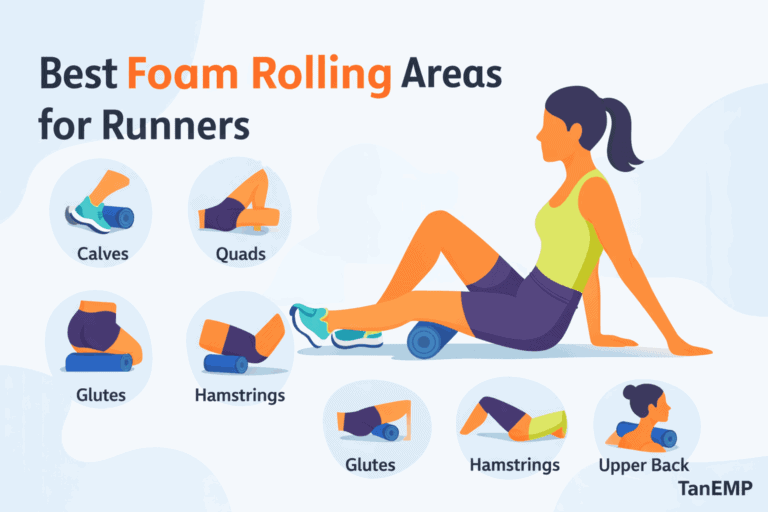
- Recovery tool: foam roller, theragun, compression boot, or muscle e-stim machine.
Start with the basics. As you stick to your 5k training plan, you can gradually upgrade. No need to spend $300 on gear when you’re just beginning.
Cross-Training Workout and Strength Training for Better Results
Running is a repetitive physical activity that places stress on your muscles and joints. That’s why strength training and cross-training are essential—even for beginners.
Many of my advanced runners, including marathoners and triathletes, dedicate a few days each week to strength work. As a beginner, you don’t need to hit the gym daily, but you do need to prepare your body to handle the demands of running a 5K.
Adding just 1–2 cross-training sessions per week (especially on rest days) can help you:
- Build essential muscle strength
- Support proper running form
- Reduce the risk of running-related injuries
Focus on strengthening:
- Lower body: quads, hamstrings, calves, tibialis anterior, glutes, erector spinae
- Core: abs and lower back
- Hip stabilizers: adductors and abductors
You don’t need heavy weights. Bodyweight exercises like lunges, bridges, and planks are enough to build strength, improve balance, and support endurance on your running journey.
Common Beginner Mistakes to Avoid

Avoiding running injuries and setbacks starts with being smart and intentional, especially in your first week of training. Many new runners are eager to improve but unknowingly make mistakes that can delay progress or cause frustration.
Here are some common beginner mistakes and how to avoid them:
1. Doing Too Much Too Soon
In the excitement of starting, it’s easy to overdo it. Increasing your mileage or intensity too quickly—especially in the first week—can lead to shin splints, knee pain, or burnout. Stick to your plan and allow your body time to adapt to your new fitness level.
2. Ignoring Pain
Some muscle soreness is normal, especially when you’re new. But sharp, persistent, or increasing pain is a red flag. Stop, rest, and stretch. If discomfort continues, consult a professional or a running coach to avoid long-term issues.
3. Skipping Warm-Ups and Cool-Downs
These are not optional. Taking even 5 minutes to warm up your muscles before a run and cool down afterward helps prevent tightness, stiffness, and running injuries. Gentle dynamic stretches before and static stretches after are key.
4. Comparing Yourself to Others
It’s easy to scroll through social media and feel behind. But running is a personal journey. Your pace, progress, and fitness level are unique. Celebrate your milestones—no matter how small.
👉 Run-walk method for beginners – Learn how this simple strategy helps you build endurance with less fatigue.
5. Lacking Consistency
Running is like building any other healthy habit. It often takes 3–6 weeks of regular training to build momentum. Stick with your Couch to 5K plan—even when motivation dips. If needed, work with a running coach to stay accountable and make adjustments that fit your lifestyle.
6. Neglecting Recovery Tools
Recovery is part of the training process. Using tools like a massage gun, foam roller, or compression sleeves can help reduce soreness, support muscle repair, and get you back out there faster. Avoid overtraining and give your body what it needs to perform.
🏃♂️ Running is a long game. Be patient with yourself, show up consistently, and celebrate every small win. Your 5K finish line is waiting—you just need to keep moving toward it.
Staying Motivated Through Your Running Journey
Some days, running feels tough. Maybe you’re tired, busy, or just not in the mood. That’s normal.
To stay motivated, try tracking your runs in a notebook or app. Seeing your progress builds confidence and keeps you moving forward.
👉 Tips to stay motivated as a beginner runner
Follow a clear training plan to stay on track. Running with a friend once a week also adds support and fun.
When running alone, turn it into a running game by playing your favorite music. Try to reach the end of a song or beat your last time.
Celebrate small wins, like running farther or not stopping. These little moments matter.
Running helps more than just your body. It boosts focus and confidence in everyday life.
And as you build strength and routine, you might even start thinking about new goals, like training for a half-marathon.
Keep going. One run at a time.
Wrap Up
By now, you’ve got the plan, the tools, and the mindset to run your first 5K—even if you’ve never run before.
The key isn’t running fast or far right away. It’s about building consistency, protecting your body, and enjoying the journey. Stick to the plan, run at your own pace, and don’t skip rest or strength days.
Proper running form, breathing techniques, and cross-training will help you avoid injuries and keep making progress. Whether your goal is to finish your first race or just feel better in everyday life, this plan will guide you there, step by step. 👉 How to start running—even if you’re totally new
And who knows? Once you finish your first 5K, you might just start eyeing your next goal… maybe even a half marathon.
You’ve got this. One run at a time.
📚 Further Reading for Beginner Runners
- How to Start Running: Beginner Guide
- Proper Running Form for Beginners
- How to Breathe While Running
- Tips for Staying Motivated to Run
Disclaimer: This content is based on my personal experience as a beginner runner and chiropractor. It is for informational purposes only and should not be taken as medical advice. If you have pain while running or any medical concerns, please consult with your healthcare provider before starting any new exercise program.
Frequently Asked Questions (FAQs)
Is Couch to 5K good for beginners?
Yes! The Couch to 5K plan is designed specifically for absolute beginners. It uses a structured approach with walking breaks and gradual progression, helping non-runners build endurance safely and effectively.
Can I run a 5K in 8 weeks?
Absolutely. Most people can go from walking to running a full 5K in 8 weeks with the right training plan. The key is consistency, rest days, and listening to your body.
How many days a week should I train for Couch to 5K?
Typically, the program recommends training 3 days a week. This allows your body time to recover while building endurance and strength.
Do I need to run every day?
No. In fact, rest days and cross-training are essential for recovery and injury prevention. Overtraining is a common mistake beginner runners should avoid.
What is the best Couch to 5K app for beginners?
Popular apps include the official Couch to 5K by ACTIVE, Nike Run Club, and C25K 5K Trainer. Look for one that offers audio cues, progress tracking, and motivational tips.