7 Best Smart Glasses for Running (2026): AI-Powered Sunglasses for Music, Safety & Performance
Tired of juggling your phone, earbuds, and sunglasses on a run?
Smart glasses are the next wave of running tech — combining audio, AI features, and open-ear comfort into one light frame.
As a runner who tests gear for comfort and function, I’ve seen how today’s AI glasses and audio glasses can boost motivation and safety without extra gadgets. Brands like Ray-Ban Meta Glasses and Amazon Echo Frames are turning every run into a hands-free experience — music, calls, and even AI-powered coaching through voice commands.
In this guide, you’ll find the best smart glasses for running in 2026 — perfect for anyone who wants lightweight, open-ear wearable tech that keeps you connected without missing a step.
(Related: Running Gear for Beginners)
⭐ Editor’s Top 3 Smart Glasses for Runners
Rank | Smart Glasses | Best For | Key Feature | Approx. Price |
|---|---|---|---|---|
🥇 Ray-Ban Meta Smart Glasses (Gen 2) | Best Overall | AI assistant + camera | Hands-free voice control & photo capture | 💰 ~$299 |
🥈 Bose Frames Tempo | Best Sound | Open-ear speakers + sport fit | Sport fit with sweat resistance | 💰 ~$249 |
🥉 Engo 2 AR Glasses | Best for Data Tracking | Live AR metrics (pace, distance, HR) | AR overlay synced with Garmin & Strava | 💰 ~$329 |
(Prices may vary by retailer.)
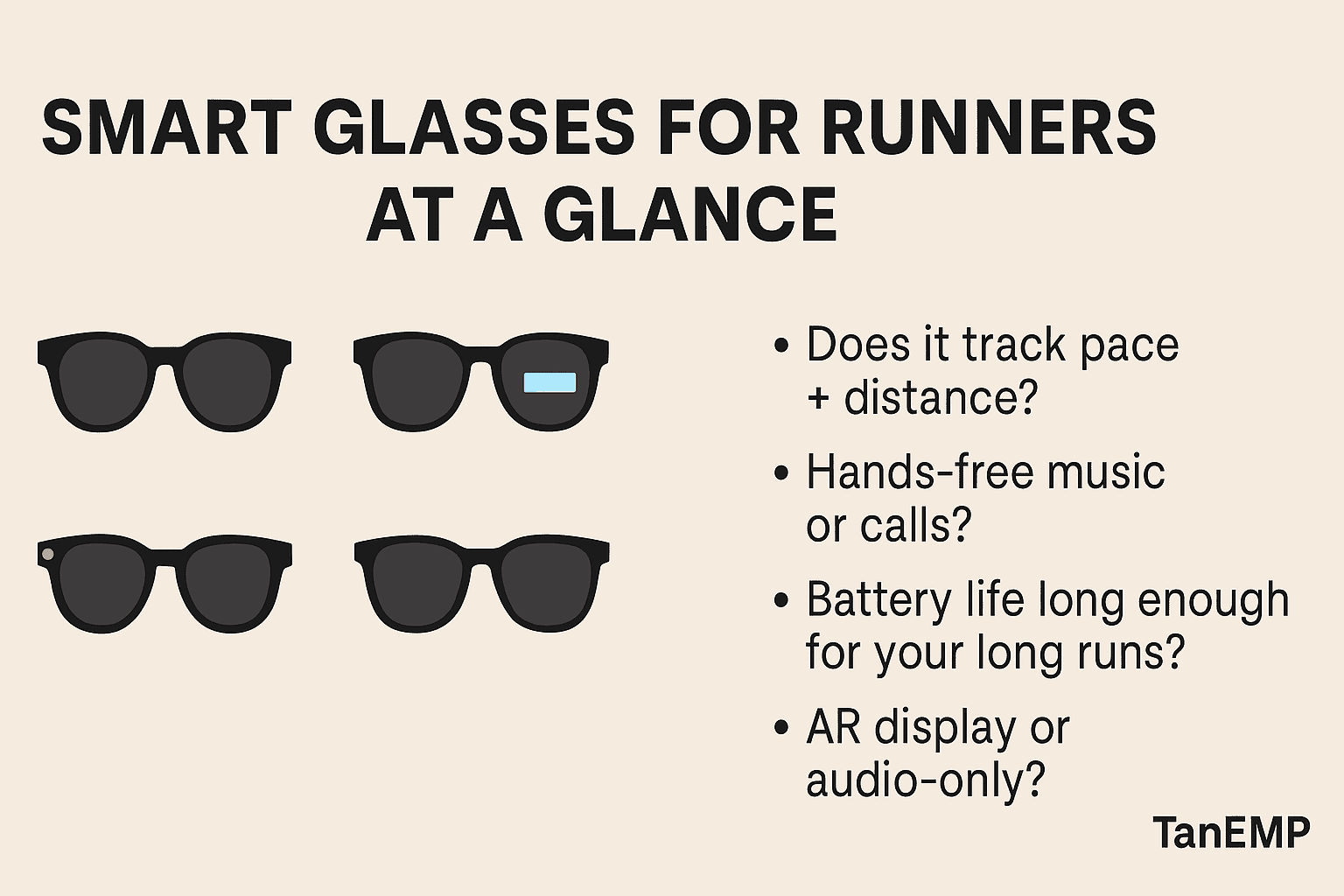
⚡ At a Glance – Top Smart Glasses for Running in 2026
Smart Glasses | Best For | Key Features |
|---|---|---|
Ray-Ban Meta Smart Glasses (Gen 2) | Overall Performance | Meta AI, open-ear speakers, 1080p camera |
Bose Frames Tempo | Running Audio Quality | Sport fit, open-ear audio, polarized lenses |
Amazon Echo Frames (Gen 3) | Alexa Integration | Voice commands, Bluetooth 5.1, hands-free calls |
Engo 2 AR Glasses | Real-Time Data Display | AR head-up display, cycling & running metrics |
Solos AirGo 3 | Lightweight Design | Swappable frames, HD speakers, voice assistant |
Rokid Max AR Glasses | Visual Immersion | Large display, USB-C connection, AR compatibility |
Xreal Air 2 | Entertainment on the Go | 1080p display, lightest smart glasses for media |
⭐Bonus Pick: Oakley Meta Vanguard – A Sport-Focused Option for Performance Runners
🏆 Our Top 7 Smart Glasses for Runners in 2026
1. Ray-Ban Meta Smart Glasses (Gen 2) – Best Overall Smart Glasses for Runners
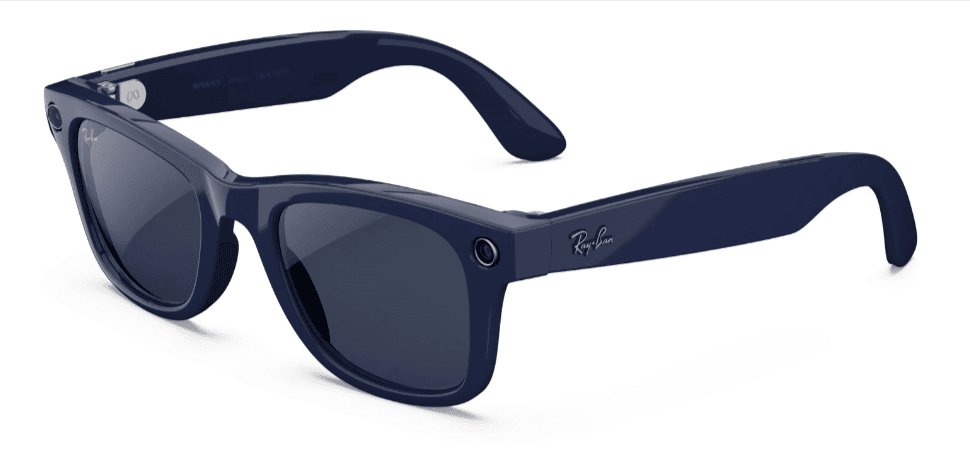
The new Ray-Ban Meta Glasses set the bar for AI glasses in 2026. They pair classic Ray-Ban style with Meta AI and open-ear speakers so you can play music, take phone calls, and even use voice commands without pulling out your phone. The camera quality is crisp (12 MP photos, 1080p videos).
⭐ Best for Everyday & Casual Runners
The Ray-Ban Meta (Gen 2) is perfect for casual runners who want smart features, music, and hands-free convenience without needing advanced performance data.
If you’re a more serious runner or want real-time metrics during your workouts, check our Bonus Pick: Oakley Meta Vanguard — that model is designed specifically for sports and training.
Battery Life
Up to 4 hours of active use before recharge.
Pros: Stylish fit, Meta AI integration, improved camera.
Cons: Premium price, no AR display.
Best For: Everyday runners who want function and fashion in one pair.
(Internal link: How to Run Faster and Longer)
2. Bose Frames Tempo – Best Audio Glasses for Running
Bose Frames Tempo focus on premium audio quality with high-performance open-ear speakers. They deliver rich sound that keeps you motivated while allowing ambient awareness for safer outdoor runs. The frame fits snugly and resists sweat, perfect for long-distance sessions or hot-weather training.
Battery Life
Up to 8 hours of continuous playback — one of the longest-lasting options.
Pros: Superior sound, sport fit, polarized lenses.
Cons: No AI or camera functions.
Best For: Runners who care most about sound quality and comfort.
3. Amazon Echo Frames (Gen 3) – Best for Voice Commands & Smart Home Users
If you love Alexa, these AI glasses bring your voice assistant right to your run. You can ask for weather updates, playlists, or even reply to texts hands-free — all while staying aware of your surroundings. The frame is lightweight, with good sound separation that keeps audio crisp even in city noise.
Battery Life
Up to 4 hours of active listening and voice use.
Pros: Alexa integration, hands-free control, clear Bluetooth connection.
Cons: Not fully sweat-proof, limited AI depth compared to Meta.
Best For: Smart-home runners or treadmill users who love voice control.
(Internal link: How to Run Properly on a Treadmill)
4. Engo 2 AR Glasses – Best AR Display for Performance Metrics
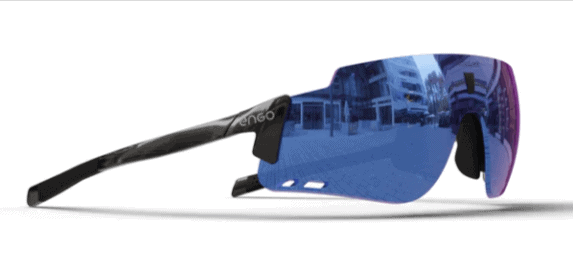
The Engo 2 Display Glasses bring real-time data right into your field of vision. See pace, distance, and heart rate as you run — no need to glance at your watch. They sync with Garmin, Strava, and other tracking apps, making them a serious tool for competitive or data-driven runners.
Battery Life
Around 10–12 hours depending on brightness and connectivity.
Pros: Live AR metrics, extremely light frame, excellent fit.
Cons: Expensive, niche for advanced athletes.
Best For: Runners who love performance data and AR innovation.
5. Solos AirGo 3 – Best Lightweight Smart Eyewear for Everyday Runs
The Solos AirGo 3 deliver a balance of audio performance and AI function in a very lightweight design. The swappable frame system lets you customize your look, while the built-in assistant responds to voice commands and notifications.
Battery Life
Up to 6 hours per charge with rapid USB-C recharging.
Pros: Lightweight, customizable frames, great audio clarity.
Cons: No camera or AR display.
Best For: Daily runners who want something light, simple, and affordable.
6. Rokid Max AR Glasses – Best Display Glasses for Immersive Experience
The Rokid Max focus on visual immersion — perfect for entertainment and training data overlays. They feature a vivid micro-OLED display and USB-C connection for mobile and laptop pairing. While not made purely for fitness, they perform well for treadmill sessions or virtual training setups.
Battery Life
Approximately 5 hours when used with connected devices.
Pros: Excellent display, solid build, versatile compatibility.
Cons: Wired connection, less ideal for outdoor movement.
Best For: Tech-savvy runners who mix workouts with travel or media use.
7. Xreal Air 2 – Best for Media & Training Analysis
The Xreal Air 2 offers one of the clearest displays in its category with 1080p micro-OLED lenses and lightweight construction. The open-ear design keeps you aware of your surroundings while streaming workouts, running music, or training analysis from your phone.
Battery Life
About 6 hours of mixed use with fast USB-C charging.
Pros: Brilliant display, light frame, portable design.
Cons: No AI assistant, limited integration for fitness metrics.
Best For: Runners who want smart glasses that double for media and mobility.
Bonus Pick: Oakley Meta Vanguard – A Sport-Focused Option for Performance Runners
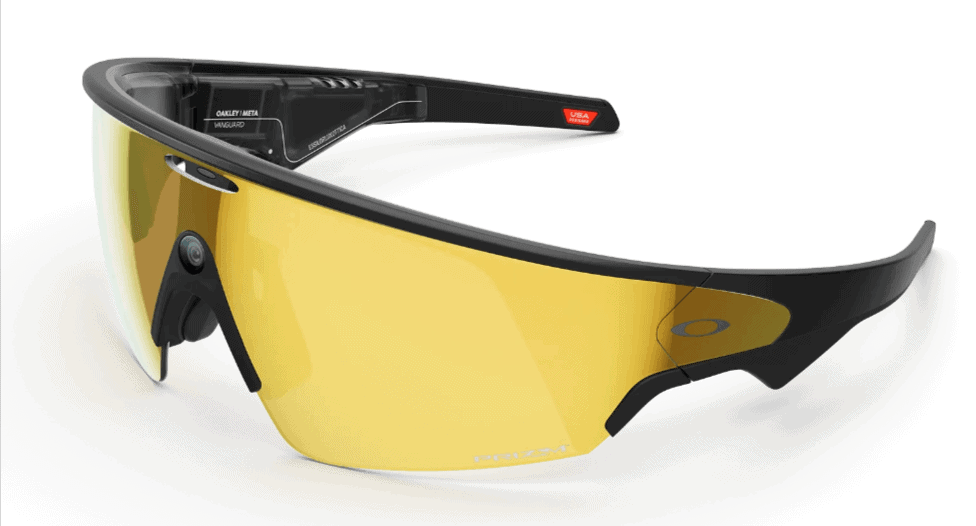
If you prefer a more sport-oriented design, the Oakley Meta Vanguard is another strong smart-glasses option.
It combines Meta’s AI features with Oakley’s performance-focused frame and lens design, giving runners a more stable and athletic fit.
Why runners may like it:
- Sport-style wraparound frame for better stability
- Lightweight and secure during faster runs
- Clear lens options for night or early-morning runs
- Same Meta AI features as the Ray-Ban models
- Designed for active use, not lifestyle wear
Battery Life:
Around 4–6 hours depending on usage.
Best For:
Runners who want Meta’s AI features but prefer a true sports frame instead of the lifestyle-focused Ray-Ban style.
How to Choose the Best Smart Glasses for Running
When picking the best smart glasses for your runs, it’s not just about fancy features — it’s about practicality, comfort, and how well they fit your real running routine. Here’s how to narrow it down before spending a few hundred bucks:
1. Fit and Comfort
Running glasses should feel snug enough to stay in place but not squeeze your temples. Avoid frames that bounce when you jog or slide down once you start sweating. Look for adjustable nose pads, flexible hinges, and lightweight frames under 80g. The wrong fit can quickly turn a long run into an annoying one.
2. Battery Life
The average smart eyewear battery lasts between 4–8 hours, but that varies wildly. For daily runners, anything under 4 hours feels limiting. Choose longer battery life over extra features if you run multiple times per week. It’s better to have basic functionality that lasts than an overbuilt model that dies mid-run.
3. Audio Quality
Open-ear speakers and built-in speakers are the go-to options. Prioritize ones that provide balanced sound while keeping your ears free to hear traffic and surroundings. If you notice distortion at high volumes in reviews, that’s a red flag — especially if you often run in noisy areas.
4. AI & Voice Commands
Modern AI glasses like Ray-Ban Meta Glasses or Amazon Echo Frames respond to voice commands for calls, playlists, or directions. Just make sure the AI assistant actually works offline or in low-signal areas. Some cheaper brands sound great on paper but rely entirely on Wi-Fi or 5G to process every command.
5. Lens Type & Display
If you run in bright sun, polarized lenses are a must. For night runners, switchable or photochromic lenses are more practical. Runners who track performance might prefer AR glasses like the Engo 2, which project speed, distance, or heart rate right in front of you.
6. Durability & Sweat Resistance
You’ll want an IPX4 or higher water resistance rating — that means it can handle sweat, light rain, and humidity without glitching. Avoid models with exposed charging ports; corrosion is a common cause of early battery failure..
(Related: How to Run in the Rain)
⚠️ What to Watch Out For Before Buying
Not every pair of smart glasses marketed for fitness actually holds up to the label.
Here are a few things to watch out for:
- Unbalanced weight: Some models with heavy cameras feel front-loaded and start slipping mid-run.
- Poor Bluetooth range: If your music cuts out when your phone is in a hydration belt, skip it.
- No app support: A lot of budget AI glasses have limited updates or no companion app, meaning you can’t adjust sound profiles or firmware later.
- Fake “AR” marketing: If it doesn’t project data into your line of sight, it’s not true augmented reality — it’s just a heads-up display with fancy branding.
A good rule of thumb: if it sounds too futuristic for the price, it probably cuts corners on build or battery.
Benefits of Running with Smart Glasses

The rise of smart glasses isn’t just a passing trend — it’s a genuine upgrade in how runners connect, train, and stay safe. Here’s what makes them worth considering:
1. Hands-Free Control
You can skip songs, take calls, or ask for your pace using voice commands — all without breaking rhythm. It’s one less distraction during intervals or long runs, and it keeps your hands free for hydration or adjusting your form.
2. Motivation Through Music
Audio glasses like the Bose Tempo keep you pumped without isolating outside noise. That means you can still hear traffic, footsteps, or cyclists. It’s perfect for runners who prefer outdoor routes but want to stay safe while zoning into their playlist.
3. Enhanced Focus & Safety
Traditional earbuds can block awareness. Smart eyewear lets you focus on your stride while staying aware of your environment. You can hear cues from your AI assistant or GPS while still catching the sound of a car horn or passing runner.
4. Real-Time Metrics & Augmented Reality
AR glasses like the Engo 2 show live metrics such as pace, distance, and heart rate. No more staring at your wrist mid-run — your data floats right where you need it. For performance-minded runners, this can help fine-tune pacing and avoid burnout on long runs.
5. Post-Run Convenience
You can wear most AI glasses all day. Take a call on the walk home, listen to a podcast while stretching, or check messages without reaching for your phone. They transition easily from run to recovery mode.
6. Long-Term Comfort
Unlike bulky headphones, open-ear smart glasses don’t press against your ears or cause sweat build-up. They’re ideal for hot weather or runners prone to ear irritation.
7. Everyday Versatility
Smart glasses are more than running gear — they double as regular sunglasses or even prescription lenses. One pair replaces multiple accessories.
Wrap-Up
Running smart glasses aren’t the future — they’re already here. You can check your pace, distance, or even your next turn without glancing at a watch or fumbling with your phone. Just run, focus on the road, and let your glasses do the multitasking.
It’s kind of like having a tiny coach, DJ, and navigator all sitting on your face — minus the sweat.
(Related: How to Run Longer)
FAQs – Smart Glasses for Runners
1. Are smart glasses worth it for running?
Yes — they combine music playback, safety, and convenience into one device. If you enjoy running with music or taking calls, they simplify your setup dramatically.
2. Can smart glasses replace my running headphones?
For most runners, yes. Models with open-ear audio like Bose or Ray-Ban Meta deliver rich sound without blocking external noise.
3. Are AI glasses safe for outdoor running?
Absolutely. AI glasses with open-ear speakers allow situational awareness, making them safer than sealed earbuds.
4. How long does the battery last on most smart glasses?
Expect 4–8 hours of battery life, depending on volume, camera, and Bluetooth use.
6. Are smart glasses worth it for runners?
Yes. They’re helpful if you like getting pace, distance, or navigation updates without checking your watch or phone. Beginners don’t need them, but they’re great for hands-free data and audio during runs.
7. Do smart glasses work with Garmin, Apple Watch, or Strava?
Many do. Most smart glasses pair through Bluetooth and pull data from your phone, which often syncs with Garmin, Apple Health, or Strava. Compatibility depends on the model, so check the brand’s app for support.
8. Are smart glasses safe to run with at night?
Yes, as long as the lenses are clear and the display isn’t too bright. Lower the brightness if it distracts you, and use reflective gear or a headlamp for better visibility.