7 Best Running Gear for Beginners (Start Running with Confidence)

Do you need a ton of fancy running gear to start running?
Not at all.
But having the right essentials can make your first runs feel more comfortable, safer, and way more enjoyable. Think of running gear like tools — the right ones make the job easier, the wrong ones make you want to quit early.
If you’re just beginning your running journey, this guide will show you the best running gear for beginners so you can stay comfortable, avoid common issues, and build confidence from the start.
Key Takeaways Running Gear for Beginners
- Your running shoes are the most important piece of gear. They affect comfort, support, and injury prevention.
- If you run early in the morning or at night, reflective gear is a must for safety.
- As your distance increases, a running vest becomes helpful for carrying essentials like your phone, keys, water, or running fuel.
The Best Running Gear for Beginners
These seven beginner-friendly running gear essentials will help you stay comfortable, safe, and confident every time you hit the road. You don’t need to buy everything at once—just start with the basics that make running feel easier and more enjoyable.
1. Running Shoes – Your Most Important Gear
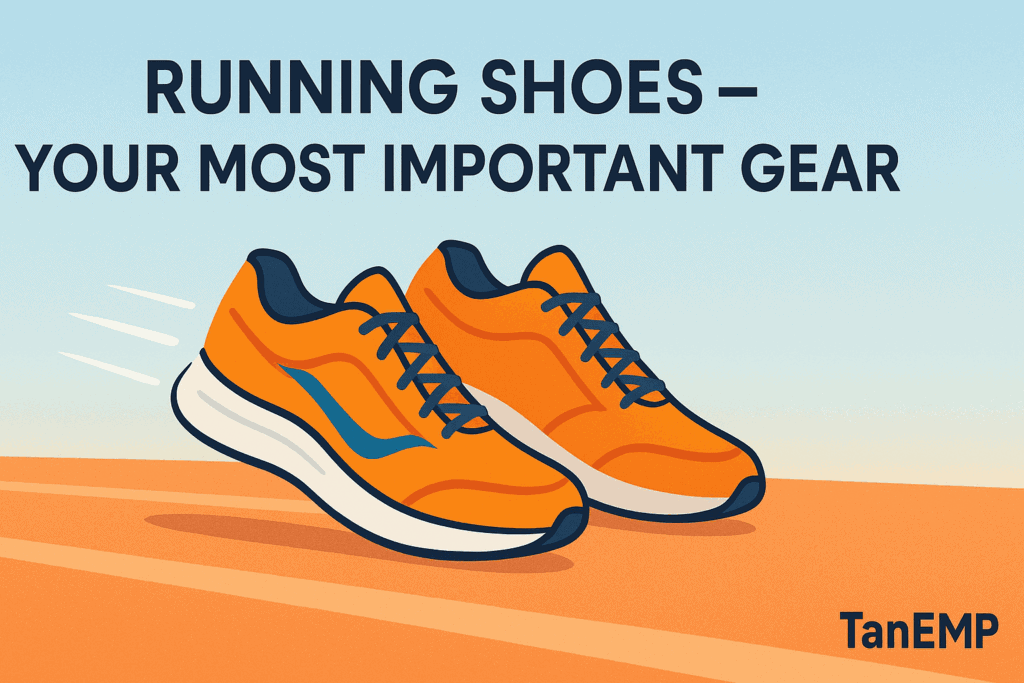
If there’s one thing to invest in, it’s a good pair of running shoes. Running shoes are like tires on a car — with the right ones, your ride feels smooth. With the wrong ones, every mile feels harder than it should.
Why it matters for beginners:
Wearing the wrong shoe often leads to sore feet, blisters, knee discomfort, or stopping early because running feels “too hard.” The right shoe gives you support, reduces impact on your joints, and makes running more enjoyable.
What to look for as a beginner:
- Fits comfortably with room in the toe box (your feet swell when you run)
- Good support and cushioning for your feet and joints
- Choose a shoe designed for running, not walking, gym workouts, or fashion
If you ever plan to run on a treadmill, here’s a helpful guide:
👉 How to Run Properly on a Treadmill
When you’re ready, you can explore options to find the best running shoes for your needs, but for now, focus on comfort and support. Most runners agree: running shoes are worth the spend.
2. Running Clothing & Socks – Stay Dry, Comfortable, and Chafe-Free
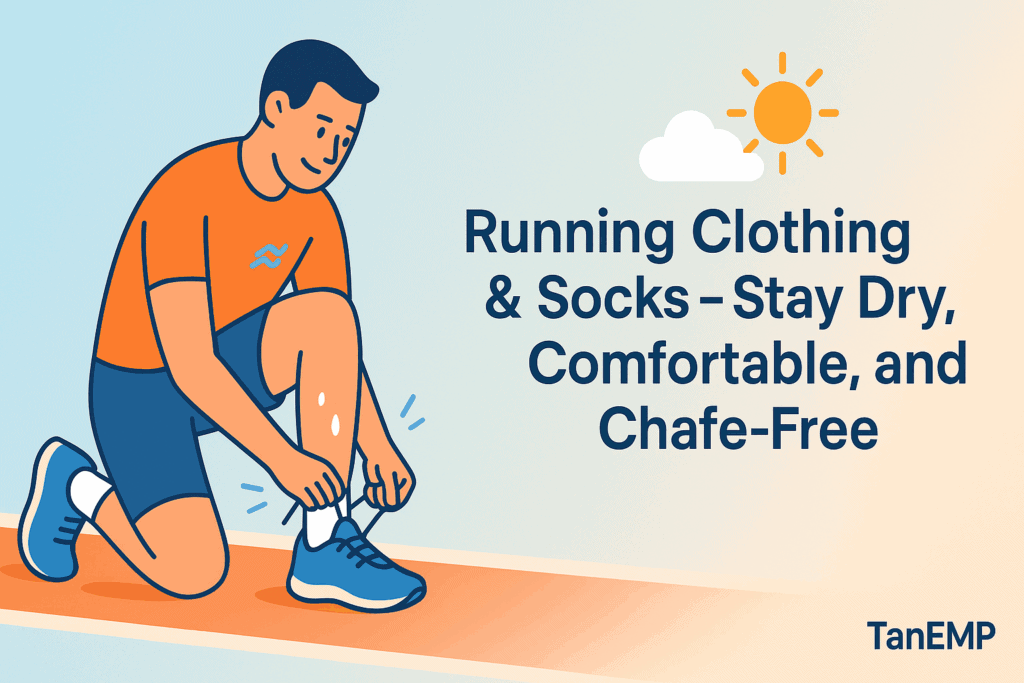
Wearing everyday cotton may seem fine at first, but once sweat kicks in, it becomes heavy, sticky, and uncomfortable. Good running apparel helps wick moisture away from your skin to keep you dry and reduce irritation.
Why it matters for beginners:
Moisture-wicking clothing helps regulate body temperature, reduces rubbing, and keeps you comfortable in different weather conditions. This means fewer distractions and fewer chances of feeling uncomfortable or overheated.
What to look for:
- Running shorts and tops made with moisture-wicking fabric
- Running socks (not cotton) to help prevent chafing and blisters
- For cold weather, add light layers that keep warmth in without trapping sweat
- For warm weather, choose breathable, lightweight clothing to stay cool
Extra tip: The wrong socks can ruin a run faster than the wrong shirt. A good pair of running socks can help protect your feet and skin and keep sweat away.
If you’re unsure what to wear for different climates, check these guides:
👉 How to Run in the Cold
👉 How to Run in the Rain
3. Running Vest – Carry Essentials Without the Hassle
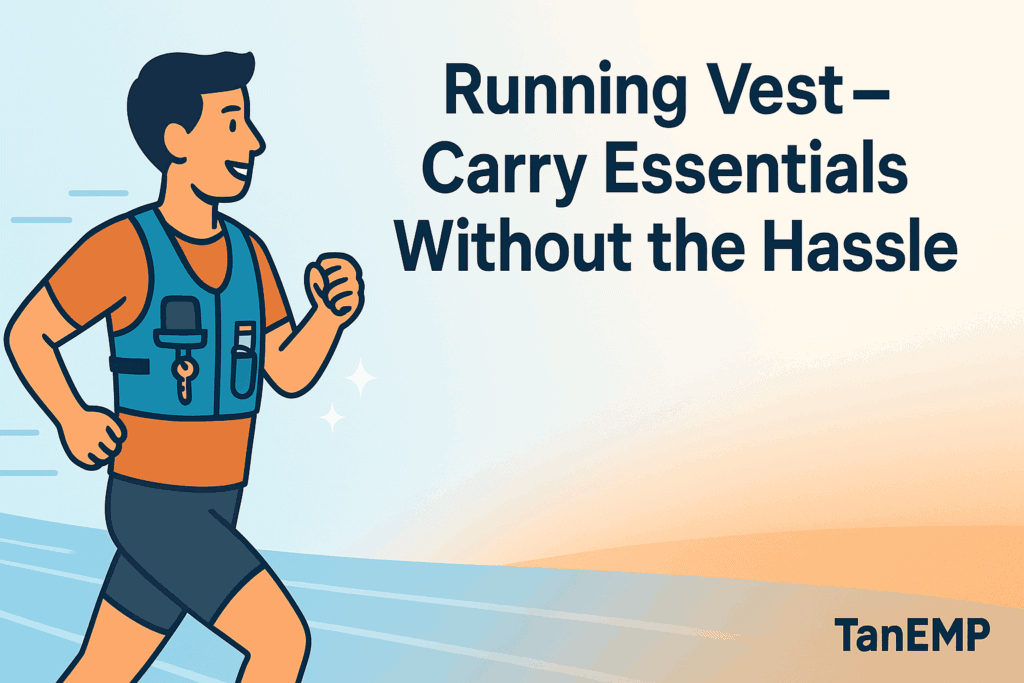
When you start running longer or outside more frequently, you’ll eventually want a running vest. It keeps your hands free while carrying your phone, keys, and other small items. Think of it like a lightweight mini backpack built for running — secure, comfortable, and bounce-free.
Why it matters for beginners:
Holding items in your hands or overfilling pockets gets uncomfortable fast. A vest helps you carry essentials so you stay focused on your run, not your gear. It becomes especially helpful once you begin building up to long runs.
What to look for in a running vest:
- Lightweight design that doesn’t feel bulky
- Storage for phone, keys, and possibly a small snack or running fuel
- Adjustable straps so it stays secure and doesn’t shift while you run
If your goal is to run longer over time, this guide will help:
👉 How to Run Longer
4. Running Watch – Stay Motivated and Track Your Progress
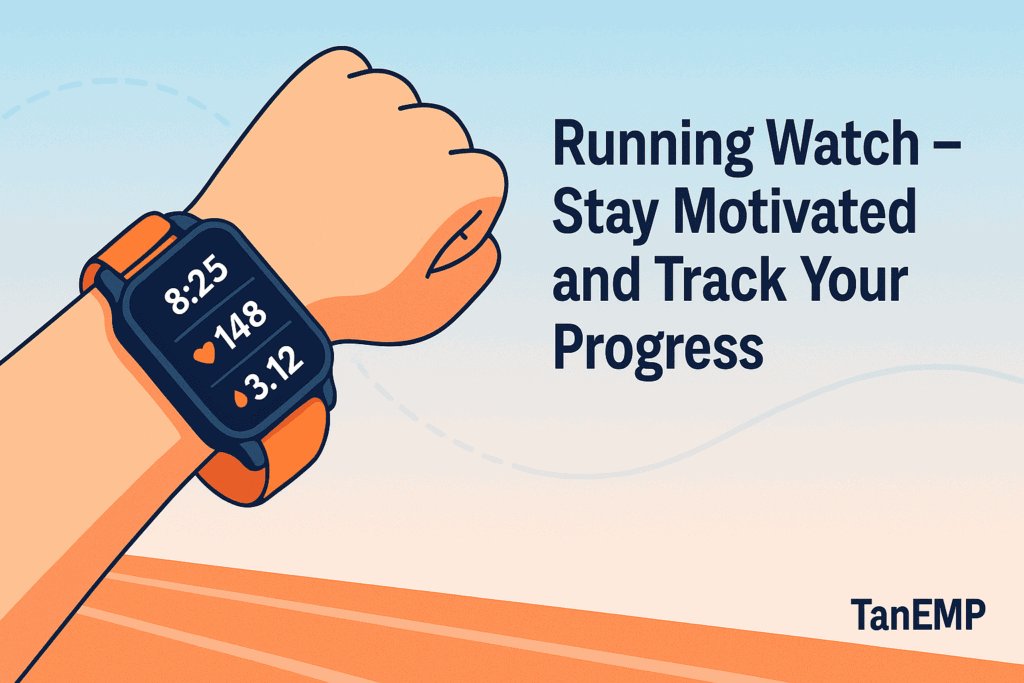
A running watch isn’t required to start running, but it can make training more fun and motivating. Think of it as a tiny running coach on your wrist that helps you track your pace, miles, and improvement over time.
Why it matters for beginners:
Seeing your progress gives you confidence. A watch with built-in GPS helps you track your distance accurately, while heart rate features teach you when you’re running too fast or too hard. This helps you stay consistent and avoid burnout.
What to look for in a running watch:
- Easy-to-read display while running
- Reliable battery life
- GPS tracking and basic heart rate monitoring
- Simple app or data view to track your training progress
If you’re learning how to pace yourself, this guide pairs well with a running watch:
👉 Running Pace for Beginners
5. Running Smart Glasses – Next-Level Tech for Your Runs
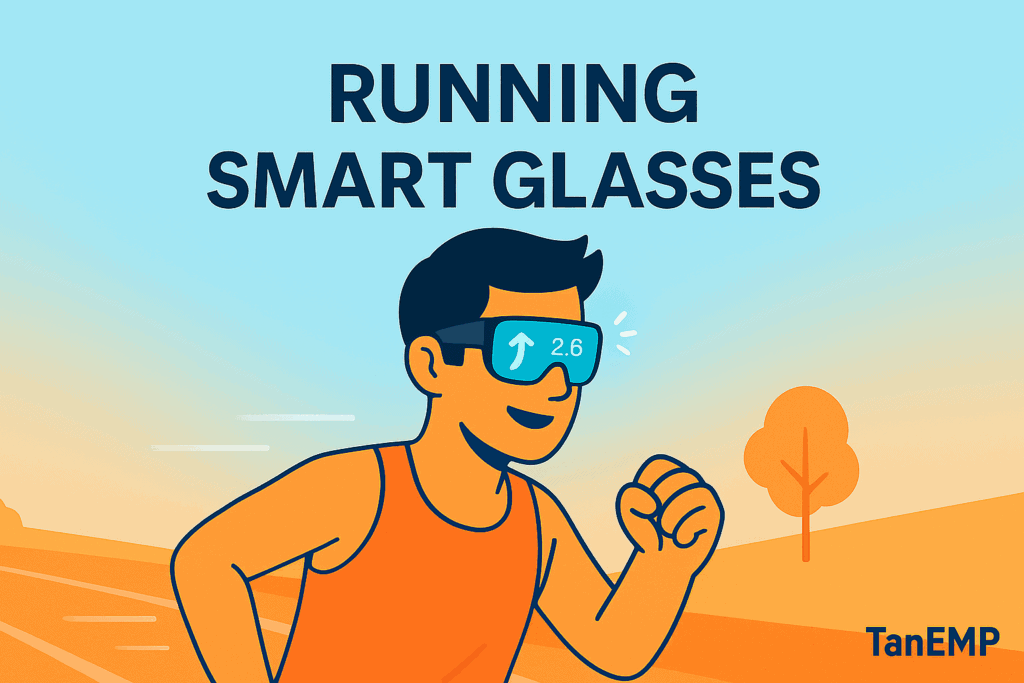
Rather than glancing down at your watch, these glasses display metrics like pace, distance, heart rate, or map direction in your line of sight. They make your run feel more futuristic and fun — helping you stay engaged and motivated.
They serve as an accessory upgrade: you don’t need them at the very start, but once you’re comfortable and want to enhance your experience, they offer value.
What to look for:
- Clear heads-up display (HUD) or visible metrics in the lens/vision
- Compatibility with your running watch or fitness platform (GPS, heart rate)
- Secure fit, lightweight design (so your run doesn’t feel weird)
- Battery life and weather durability (running outdoors means exposure)
- Good value: You might be better off waiting until you’re running regularly before investing
For motivation and wearable upgrades, this guide helps:
👉 Running Motivation for Beginners
6. Reflective Gear & Safety Accessories – Be Seen in the Dark
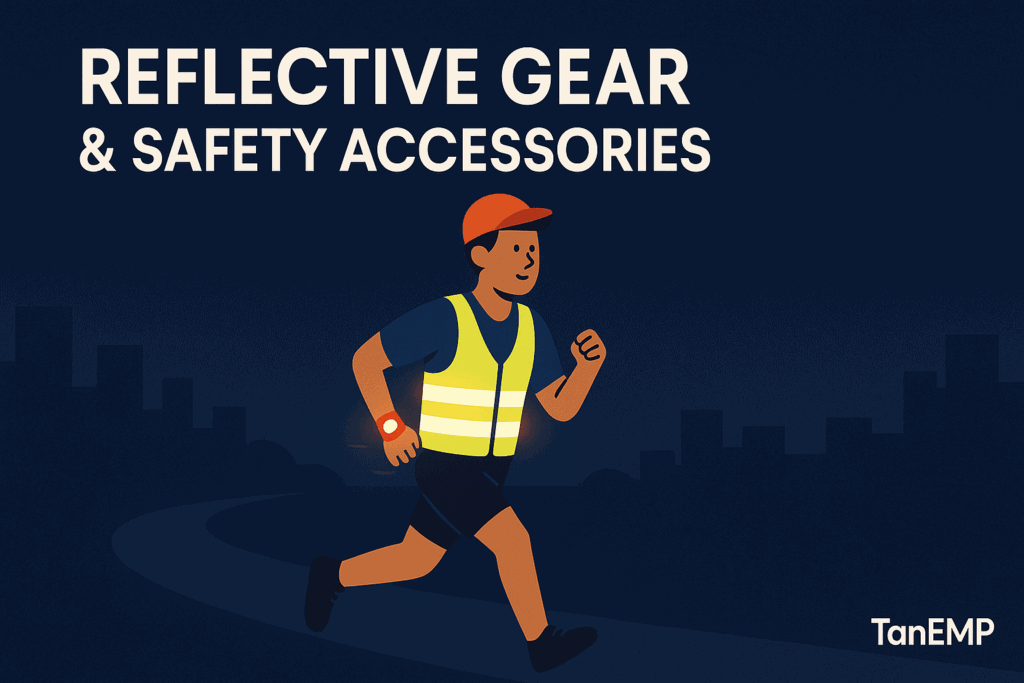
Whether you prefer sunrise runs or evening jogs after work, reflective gear helps drivers, cyclists, and others see you in the dark. Think of reflective gear like headlights for runners—you may not notice them, but others will.
Why it matters for beginners:
Safety is non-negotiable. Even well-lit streets have blind spots. A simple reflective vest or clip-on lights can make you visible from a distance and help keep your running journey safe.
What to look for:
- Reflective vest or straps for visibility
- Small clip-on lights for front + back
- Lightweight options that don’t feel bulky
If you run early or late, this article will help you stay safe and prepared:
👉 Running in the Morning vs Night
👉 Running at Night
7. Recovery Tools – Support Your Body and Prevent Injuries
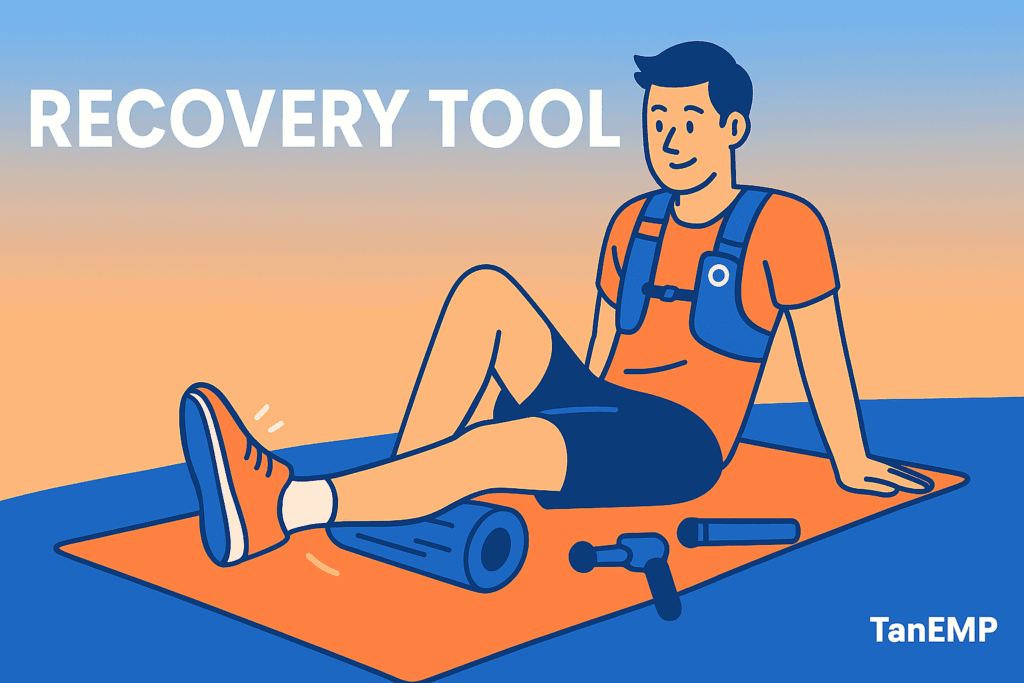
Running isn’t only about the miles you log—how you recover matters too. Simple recovery habits help prevent injuries, reduce soreness, and make running feel easier the next time you lace up.
Why it matters for beginners:
Your body is adjusting to a new routine. A basic recovery tool like a foam roller helps release tight muscles, support flexibility, and improve comfort during your runs.
What to look for:
- A beginner-friendly foam roller
- Gentle pressure to avoid overwhelming your muscles
- Use 5–10 minutes after runs for best results
If you want more recovery support, these guides will help:
👉 Muscle Recovery Tips
👉 How to Speed Up Muscle Strain Recovery
Beginner Running Gear Checklist
Here’s a quick breakdown of the running essentials most beginner runners should focus on first:
✅ Good pair of running shoes
✅ Moisture-wicking running apparel (tops, running shorts, running socks)
✅ Simple running watch with GPS tracking
✅ Running vest when you need to carry items
✅ Running Smart Glasses – Next-Level Tech for Your Runs
✅ Reflective gear or clip-on lights for safety
✅ Foam roller for recovery
Wrap Up
You don’t need to buy everything at once. Start with the basics—especially a good pair of running shoes, breathable clothing, and a few safety items. Add more gear as your comfort grows and your running journey continues.
Start with the basics and skip the expensive upgrades for now. Once running becomes a steady habit, you’ll know which gear truly makes a difference. And hey, if you ever need to turn heads, those smart running glasses should do the trick.
Stay comfortable, stay safe, and build a routine you actually look forward to.
FAQs: Beginner Running Gears
1. Do beginners really need running gear to start running?
You can start running with minimal gear, but having the right gear helps you stay comfortable, avoid chafing, and enjoy the experience more—especially as your mileage grows.
2. What’s the 80/20 rule for running?
It means 80% of your training should be at an easy, conversational pace, and 20% can be faster or harder efforts. This helps runners build endurance without burnout.
👉 How to Run Longer
3. What should I wear for beginner running?
Choose running apparel that is breathable and moisture-wicking. Start with a pair of running shoes, lightweight tops, and running socks, and add layers for weather conditions.
4. How often should beginners use a foam roller?
Most beginners benefit from using a foam roller 2–4 times per week, especially after runs. Start gently with 5–10 minutes focusing on tight areas like calves, quads, hamstrings, and glutes. As your body adapts, you can increase frequency based on how you feel.
5. Will running 5k three times a week help with weight loss?
For most runners, yes—running burns calories, supports heart health, and builds consistency. Pairing it with balanced nutrition speeds up results.
👉 Tips for Beginner Runners