7 Best Running Insoles for Beginners (Comfort, Support & Injury Prevention)

Do you really need running insoles if you already have a good pair of running shoes?
Many beginner runners assume the shoes themselves are the problem when foot pain starts, but often the issue is how well the inside of the shoe matches your foot shape and arch support needs.
Think of it like buying a suit off the rack compared to having one tailored. Even a quality suit can feel average if the fit isn’t quite right. Running shoes work the same way. Most are designed to fit a wide range of runners, but everyone’s arches, walking patterns, and training habits are different.
A good running insole helps fine-tune that fit so your feet feel more supported and your runs feel smoother.
From working with runners over the years, one pattern shows up consistently — small improvements in comfort and support, combined with proper training, often help runners get back to running more comfortably.
Running insoles won’t replace good running habits, especially if you’re just learning how to start running. But they can reduce foot fatigue and make staying consistent much easier.
This guide breaks down the best running insoles for beginners, what actually matters when choosing one, and how to pick the right option based on your feet and running goals.
TL;DR — 7 Best Running Insoles (Quick Picks)
If you just want the quick answer, these are the best running insoles for most beginner runners right now:
- Currex RunPro Insoles — Best overall running insole for comfort and balanced arch support
- Superfeet Run Comfort — Best for extra arch support and stability
- SOLE Active Medium — Best for medium arches and long distance running
- Spenco Total Support Max Insoles — Best structured comfort option
- Dr. Scholl’s Sport Insoles — Best budget cushion option (soft comfort under ~$30)
- PowerStep Pinnacle — Best for plantar fasciitis and heel pain
- FitMyFoot Custom 3D Printed Insoles — Best custom tech-forward option for personalized support
If you’re unsure which one to choose, most beginners do well starting with moderate arch support and good shock absorption rather than the firmest option available.
If you’re building your running setup from scratch, choosing the right shoes, socks, and accessories can make just as much difference as insoles. A simple beginner running gear setup often improves comfort more than upgrading a single piece of equipment.
What Is a Running Insole?
A running insole is the removable insert inside your running shoes that sits between your foot and the midsole of the shoe. Its main job is to provide arch support, improve shock absorption, and increase overall footwear comfort during running.
Most running shoes come with basic insoles made from simple foam. These work fine for short runs or casual use, but they often lack the structure needed to support the entire foot during longer runs or increased mileage. Aftermarket running insoles are designed to better match different foot shapes, arch heights, and running styles.
For beginner runners, especially, upgrading insoles can help reduce foot fatigue and improve how supported your feet feel during runs without needing to change shoes entirely.
How We Chose the Best Running Insoles
Not every insole works for every runner. For this guide, the focus was on options that improve comfort and support for beginner runners rather than highly specialized or overly rigid designs.
Each insole was evaluated based on:
- Arch support that works for common foot shapes
- Shock absorption for repetitive running impact
- Heel cup design for stability around the heel bone
- Forefoot cushioning for longer runs
- Fit inside most running shoes
- Durability over a couple hundred miles
- Overall comfort during extended periods of running or walking
The goal is simple: insoles that help runners feel more comfortable and supported without overcorrecting natural movement.
7 Best Running Insoles for Beginners
1. Currex RunPro Insoles — Best Overall Running Insoles
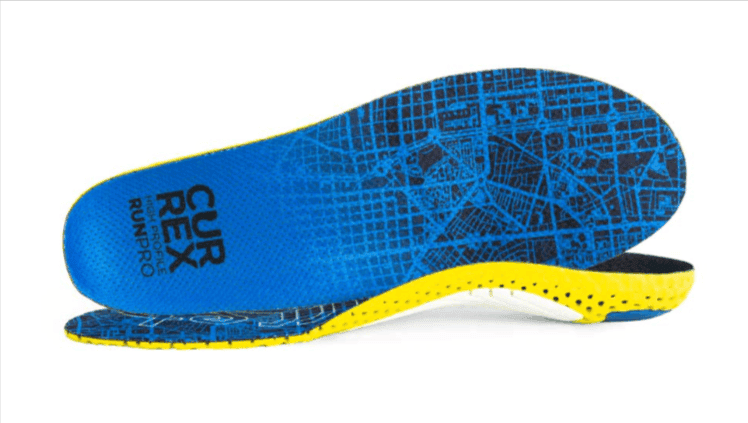
Currex RunPro insoles are one of the most balanced options available for beginner runners. They use dynamic arch technology to provide support without feeling overly rigid, which makes them comfortable for daily training and long distance running.
Many runners notice reduced foot fatigue because the arch support helps distribute pressure more evenly across the entire foot.
The deep heel cup helps stabilize the heel during impact, improving shock absorption and keeping the foot feeling secure inside most running shoes. This makes them a strong choice for runners increasing mileage or transitioning from walking to running.
These insoles work especially well for runners who want extra support without sacrificing flexibility. However, runners who prefer very soft cushioning may find them slightly firmer than memory foam options.
Best for: Beginner runners, daily training, long distance comfort
Pros: Balanced support, durable materials, comfortable for most foot shapes
Cons: Not the softest option available
Price: $59.95
2. Superfeet Run Comfort — Best for Extra Arch Support
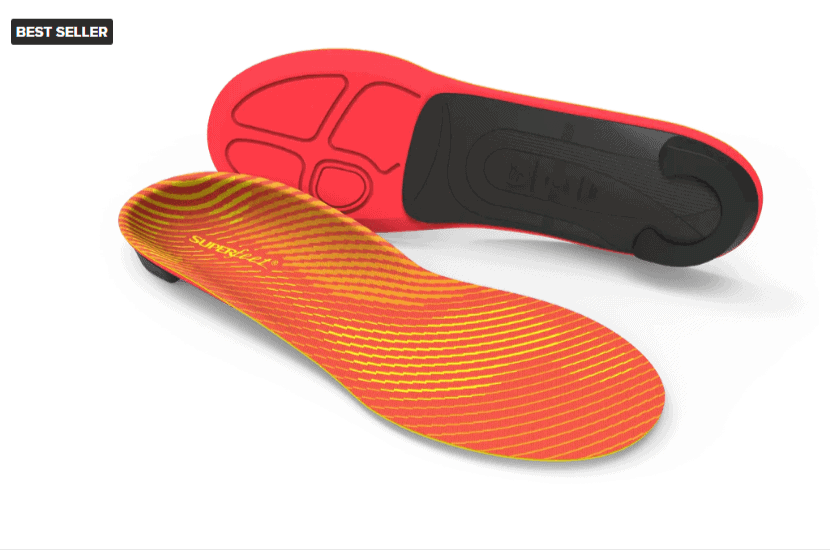
Superfeet insoles are known for reinforced arch support and a more structured feel under the foot. For runners who experience knee pain or feel their arches collapse during longer runs, this additional support can make a noticeable difference in stability.
The heel cup design helps control excess movement and can reduce stress traveling up the kinetic chain toward the knees. This is why many runners dealing with early signs of runner’s knee or shin splints prefer a slightly firmer insole like this.
Because of the structured design, these insoles may feel firm at first and typically require a short adjustment period. Beginners looking for maximum softness may prefer a more cushioned option instead.
Best for: Runners needing extra arch support or stability
Pros: Strong arch support, durable, stable feel
Cons: Firmer feel during first few runs
3. SOLE Active Medium — Best for Medium Arches and Daily Training
SOLE Active Medium insoles are a good middle-ground option for runners who want moderate support without an overly firm feel. They work especially well for runners with a medium arch who want added comfort during longer runs or extended periods of standing and walking.
The insole provides balanced arch support along with solid shock absorption, helping reduce foot fatigue as mileage increases. The heel cup helps stabilize the heel bone during impact, which can improve overall comfort when running on harder surfaces.
Many beginner runners notice that their feet feel less tired late in runs compared to standard factory insoles.
Because the support level is moderate rather than aggressive, these insoles fit comfortably in most running shoes without changing the feel of the shoe too much. Runners looking for very rigid support may want something firmer, but for daily training and general comfort, this is a reliable choice.
Best for: Medium arches, daily running, general comfort
Pros: Balanced support, comfortable for long runs, fits most shoes
Cons: Not ideal for runners needing maximum arch support
4. Spenco Total Support Max Insoles — Best Structured Comfort Option
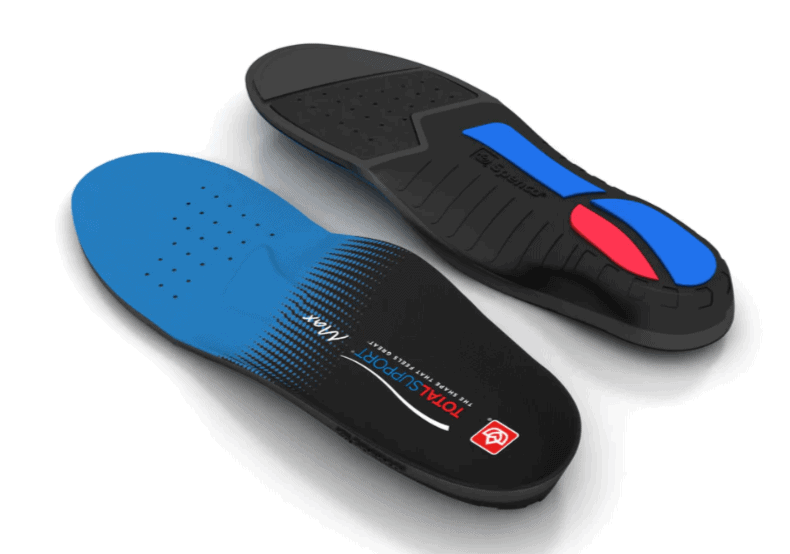
For runners who want balanced support without going too deep into performance-level devices, Spenco Total Support Max Insoles provide structured cushioning and heel stabilization that help reduce stress on the feet during everyday training runs. They combine supportive arch control with plush forefoot padding, which helps promote a comfortable stride without feeling overly stiff.
These insoles are often recommended for general foot fatigue, mild overpronation, and runners who want both support and comfort in one insole. They aren’t as tailored as custom options or as budget-focused as basic foam inserts, but they fill a useful middle ground that many beginners appreciate.
Best for: Runners who want structured comfort during daily training
Pros: Good balance of arch support and cushioning, multi-purpose design, widely available
Cons: Not as specialized for plantar fasciitis as dedicated orthotics
5. Dr. Scholl’s Sport Insoles — Best Budget Cushion
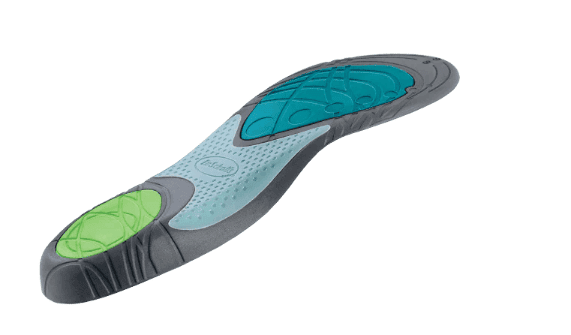
For runners who mainly want extra softness underfoot without spending much, Dr. Scholl’s Sport Insoles are a practical budget option. These insoles focus on comfort and shock absorption rather than aggressive structural correction, making them ideal for shorter runs, easy jogs, or everyday wear.
The foam cushioning helps reduce impact and early foot fatigue, especially for beginners adjusting to regular running. Many runners also use them in work shoes for added daily comfort. While they don’t offer the same level of arch structure as performance-focused insoles, they provide a noticeable upgrade from standard factory inserts at a much lower price point.
Best for: Budget-conscious runners, comfort-focused beginners, daily wear
Pros: Soft cushioning, widely available, typically under $30
Cons: Less arch support and durability compared to premium performance insoles
6. Powerstep Pinnacle Insoles — Best for Plantar Fasciitis and Heel Pain
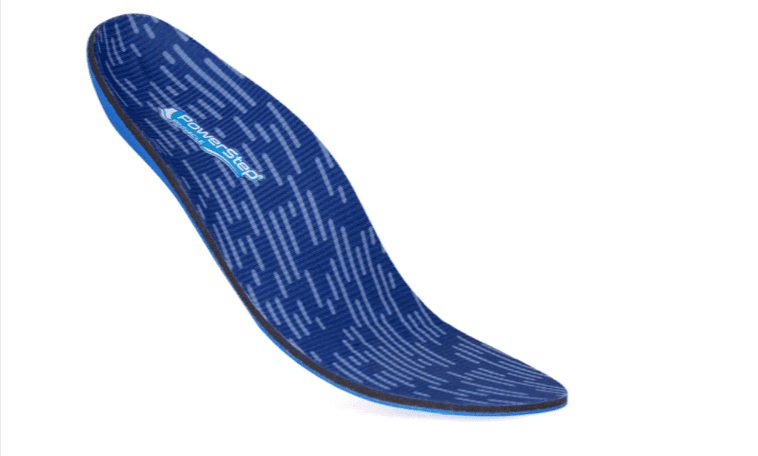
For runners dealing with plantar fasciitis, heel discomfort, or impact-related pain, Powerstep Pinnacle Insoles are a go-to choice. These insoles combine a deeper heel cup and supportive arch structure to help stabilize the heel and reduce stress on the plantar fascia during impact.
The dual-layer cushioning maintains comfort while providing solid support, which many runners notice reduces heel pain and improves comfort on longer runs. Compared to simple foam inserts, Powerstep Pinnacle offers more structure without feeling overly rigid, making it a strong middle ground between comfort and performance support.
Best for: Plantar fasciitis, heel pain, impact-related discomfort
Pros: Improved heel stability, supportive arch, widely recommended for pain relief
Cons: Slightly firmer feel during adjustment period compared to basic foam insoles
7. FitMyFoot Custom 3D Printed Insoles — Best Custom Tech Option
For runners who want a truly personalized fit, FitMyFoot uses a smartphone app to scan your feet and create 3D-printed insoles tailored to your arch height and foot shape. Instead of guessing your support level, this approach builds the insole around your individual structure.
The shells are printed using durable nylon material and designed to provide targeted arch support and heel stabilization. While they come at a higher price point than standard over-the-counter insoles, they can be appealing for runners who want a more customized feel without going fully medical-grade orthotics.
Best for: Runners wanting a personalized fit and modern 3D-printed design
Pros: Custom foot scan, 3D printed durability, personalized arch support
Cons: Higher price range (~$75–$100), takes time to manufacture and ship
How to Choose the Right Running Insole for Your Feet
Choose Based on Your Arch Type
One of the biggest factors when choosing running insoles is arch height. Different arch types distribute pressure differently during running, which affects comfort and fatigue levels.
Runners with high arches often benefit from extra cushioning and shock absorption because their feet naturally absorb less impact. Medium arches usually do well with moderate support that balances comfort and stability. Runners with lower arches or flatter feet may prefer reinforced arch support to prevent excessive foot movement during longer runs.
The goal is not to force your foot into a new position, but to provide enough support so your feet feel well supported throughout the entire run.
Cushioning vs Support — What Beginners Get Wrong
Many beginners assume softer is always better, but too much cushioning can sometimes reduce stability. On the other hand, insoles that are too rigid can feel uncomfortable and lead to pressure points.
The best running insoles usually balance shock absorption with moderate support. Cushioning helps reduce impact, while support helps distribute pressure evenly across the foot.
Finding that balance often makes a bigger difference than choosing the softest option available. Proper warm-up routines also help reduce discomfort before runs.
When Custom Orthotics May Help
Most beginner runners do well with over-the-counter insoles. However, custom orthotics may be worth considering if foot pain persists despite proper shoes, gradual training progress, and supportive insoles.
A medical professional may recommend custom insoles when there is a history of foot injury, structural issues, or ongoing pain that does not improve with standard options. For most runners starting out, though, custom orthotics are not the first step.
Common Running Problems Insoles Can Help With
Running places repetitive stress on the feet, and small changes in support can sometimes reduce discomfort.
Plantar fasciitis often develops when the plantar fascia becomes overloaded during repeated impact. Insoles with proper arch support and heel stabilization can help reduce strain on this area.
Shin splints may be influenced by impact forces traveling up the lower leg. Improved shock absorption can help reduce stress during longer runs.
Knee pain or runner’s knee sometimes relates to how forces travel from the foot upward through the leg. When the foot feels more stable, some runners notice improved overall comfort.
While insoles don’t replace proper training progression, they can help improve running cadence and reduce stress on the lower legs.
Key Takeaways
- The best running insoles improve comfort and support rather than changing how you run.
- Most beginner runners benefit from moderate arch support and good shock absorption.
- Currex RunPro insoles are a strong overall choice for most runners.
- Runners with high arches often need more cushioning, while stability-focused runners may prefer firmer support.
- Insoles can help reduce foot fatigue and improve comfort during longer runs.
Wrap Up
Running insoles aren’t a replacement for good shoes or smart training habits — but they can make a noticeable difference in comfort, especially for beginners increasing mileage or working on improving running form. The right insole can reduce early foot fatigue and help your runs feel more stable and supported.
If you’re curious but don’t want to invest too much at first, starting with an affordable option like a basic Dr. Scholl’s insole is a simple way to test whether added support improves your comfort. Sometimes even a small change inside the shoe can make running feel smoother and more enjoyable.
That said, insoles improve comfort — they don’t fix poor running form or weak supporting muscles. If pain continues despite changing shoes or insoles, it’s best to speak with a qualified medical professional rather than relying on gear alone.
Ultimately, the best insole is the one that matches your foot shape, arch type, and comfort needs — not necessarily the firmest or most expensive option on the shelf. When your feet feel comfortable and supported, it’s much easier to stay consistent and keep running long term.
FAQ for Best Running Insoles
Do running insoles actually prevent injuries?
Running insoles can improve comfort and reduce stress on the feet, but they don’t prevent injuries on their own. Injury prevention still depends on proper training progression, recovery, and appropriate running shoes.
How long do running insoles last?
Most running insoles last a couple of hundred miles depending on materials and usage. If cushioning feels compressed or support decreases, it may be time to replace them with new insoles.
Are expensive insoles worth it?
More expensive insoles often use higher-quality materials and last longer, but price alone does not determine comfort. The best option is one that matches your foot shape and support needs.
Can I use running insoles in work shoes or dress shoes?
Yes. Many running insoles can improve comfort in work shoes or dress shoes, especially for people standing for extended periods during the day.
Should I remove the original insole from running shoes?
In most running shoes, the original insole should be removed before inserting a new one to ensure proper fit and avoid excess tightness.
Should I remove the original insole from my running shoes?
Yes, in most cases. Running shoes usually come with a removable stock insole, and replacing it helps maintain proper fit and prevents the shoe from feeling too tight. Leaving both insoles inside can reduce stability and create extra pressure on the foot. If the original insole cannot be removed, choose a thinner replacement instead.